Water Damage Restoration in Fort Worth, TX
24/7 water damage restoration in Fort Worth, TX, centered on the northeast side. Crews pump out standing water, bring 1980s and 1990s houses down to the IICRC S500 goal and log the readings.
(888) 527-9134Water on the floor? Start the dry-out now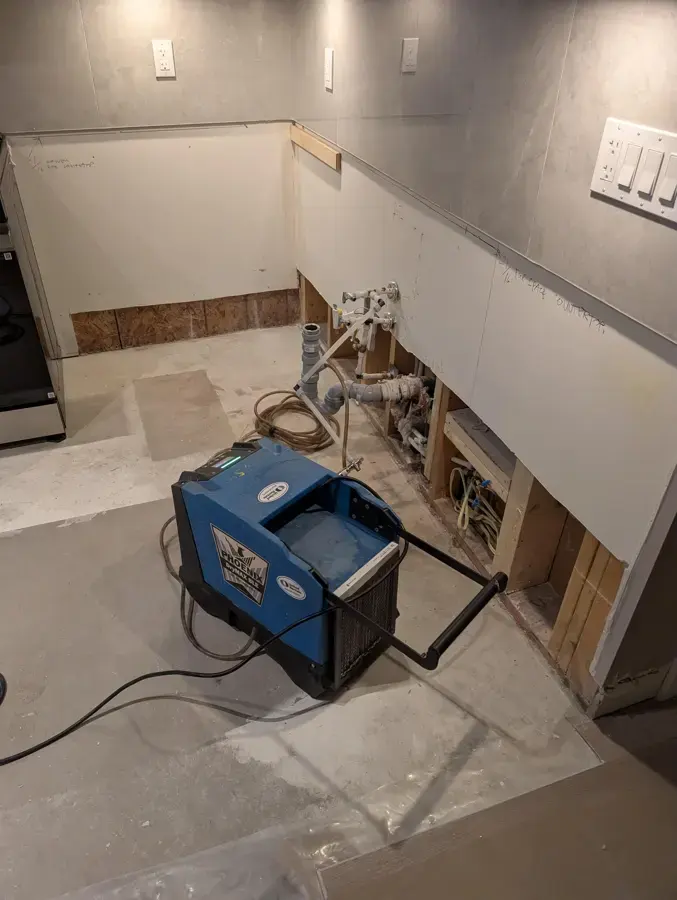
Water Damage Restoration Services in Fort Worth, TX
Water and sewage only, from the first pump-out to the final dry reading. In northeast Fort Worth, aging 1980s and 1990s plumbing, expansive clay and Big Fossil Creek flooding drive most calls.
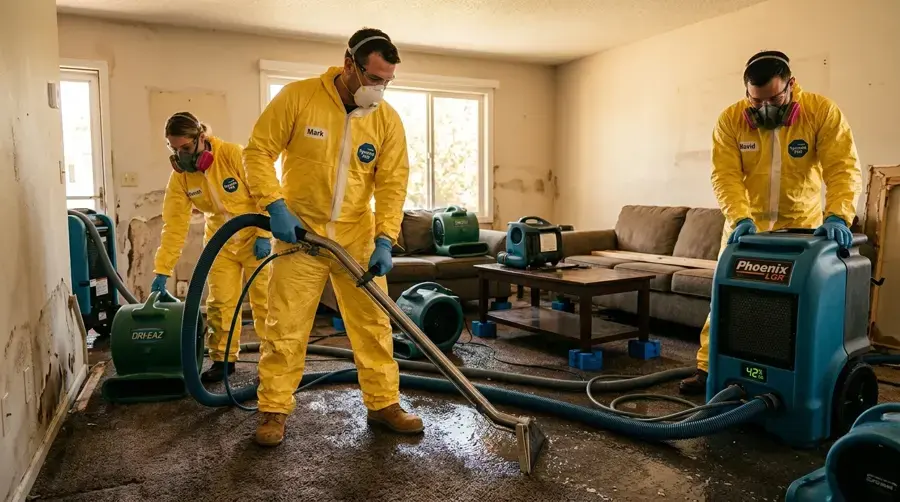 Suburban family homesWater ExtractionPump-out of standing water in 1980s and 1990s houses before it wicks into floors and walls.See the service
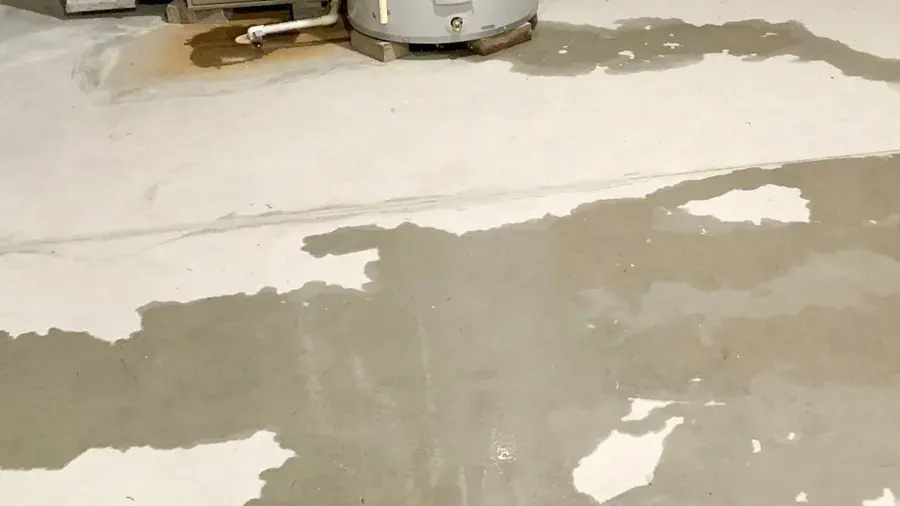 Expansive clay soilSlab Leak Water DamageDrain and supply leaks under concrete where expansive clay moves, traced and dried through small openings.See the service
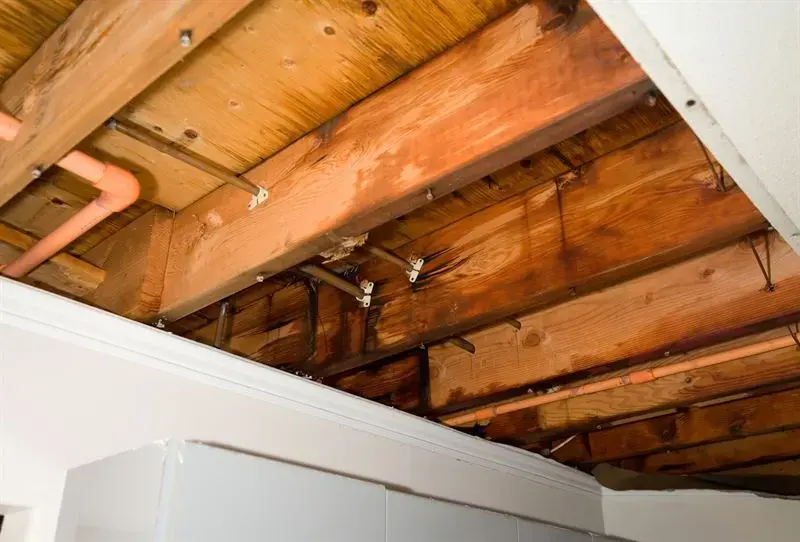 Burst Pipe Water DamageHard-freeze splits like those of Winter Storm Uri, plus failed fittings in aging plumbing.See the service
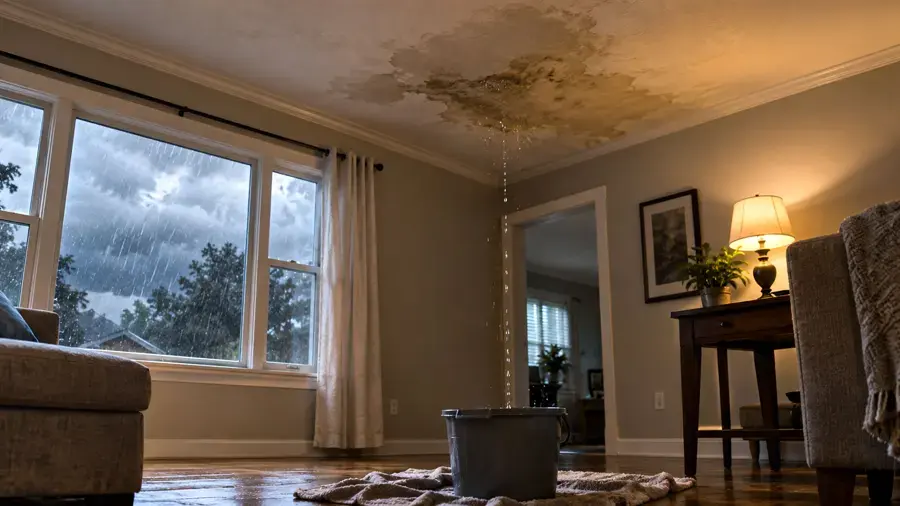 Ceiling Leak Water DamageSupply, drain and condensate pipes above the ceiling that soak drywall and insulation.See the service
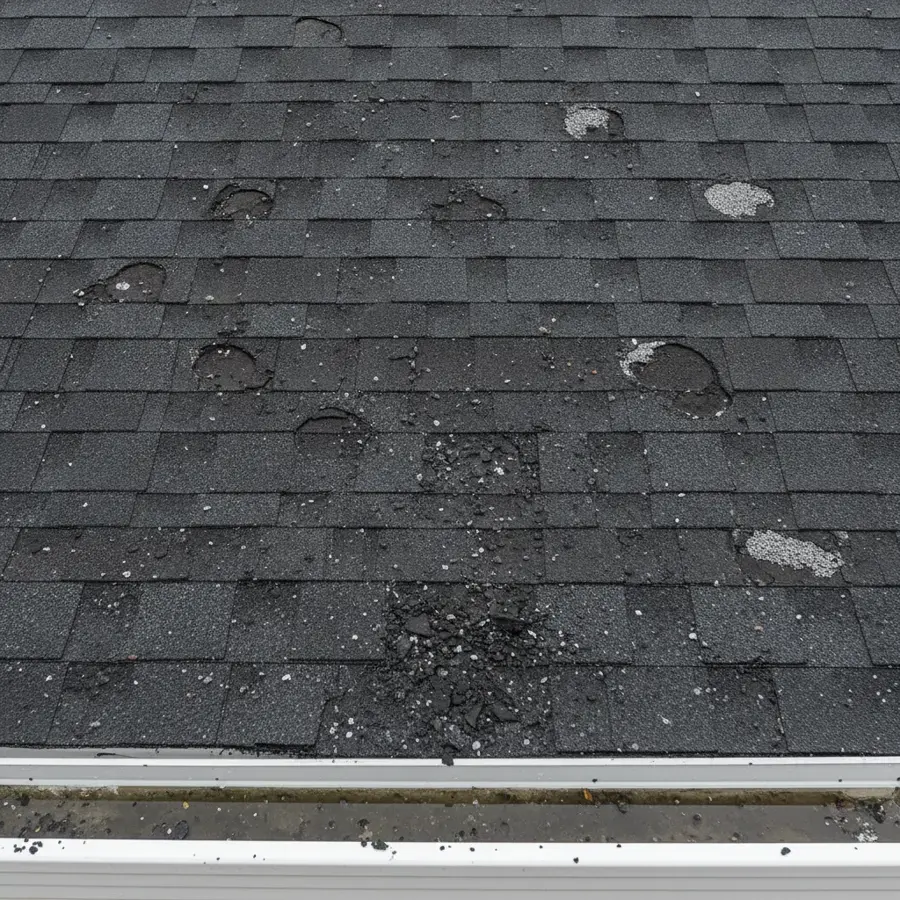 Roof Leak Water DamageSpring hail and wind-driven rain that find a way through the roof into attics.See the service
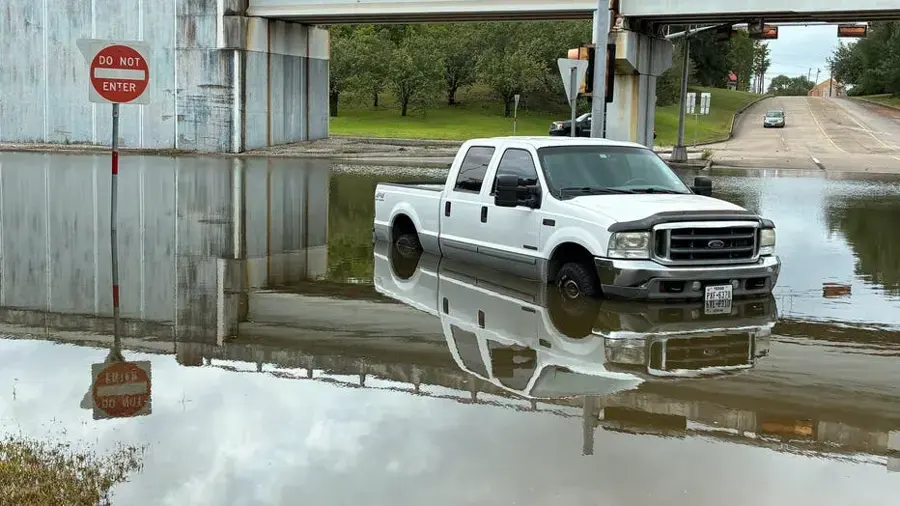 Storm and Flood CleanupFlash flooding from heavy spring and fall rain near Big Fossil Creek and local streets.See the service
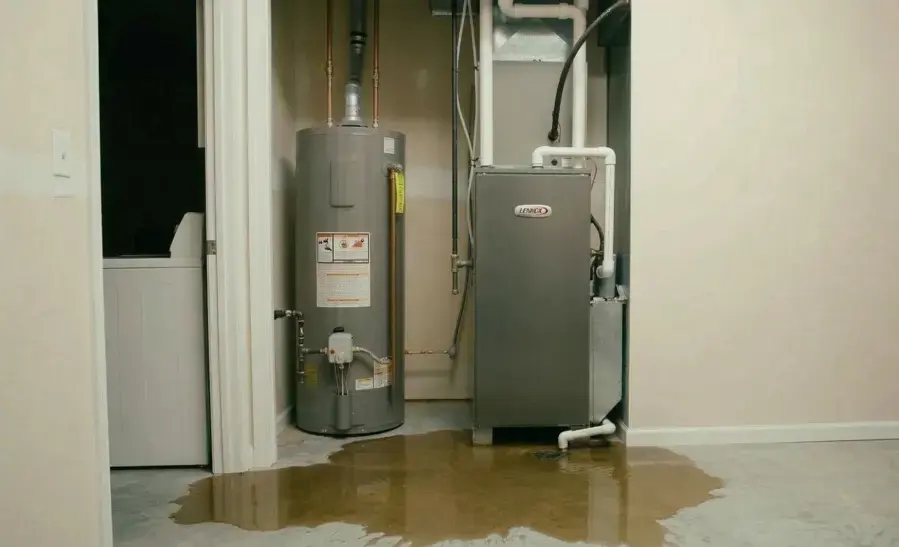 Water Heater Leak CleanupTank or supply failures in garages and closets, handled before the water climbs into the walls.See the service
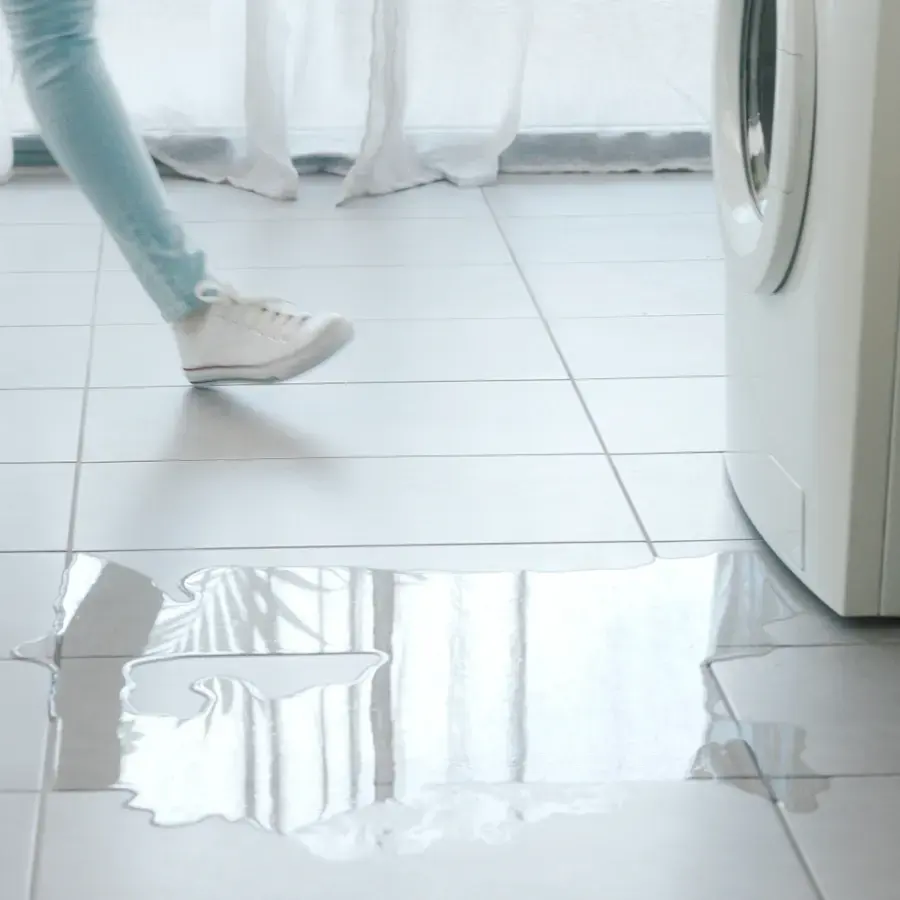 Appliance Leak Water DamageWasher hoses, dishwashers and refrigerator supply pipes leaking onto floors in owned and rented homes.See the service
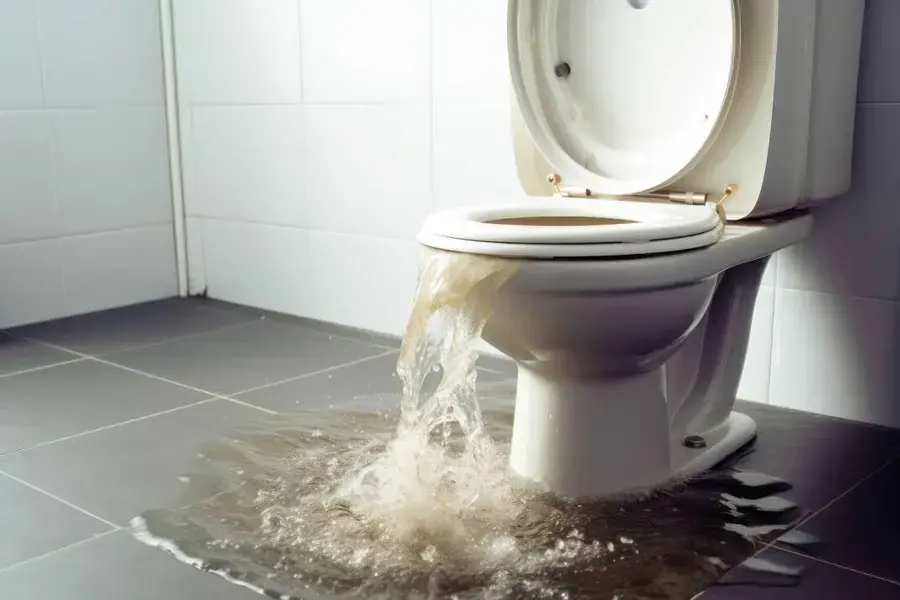 Toilet Overflow CleanupOverflows that keep returning, sometimes pointing to a clog in the private sewer lateral.See the service
 Sewage Backup CleanupCategory 3 backups, with the owner's private lateral and the city main both considered.See the service
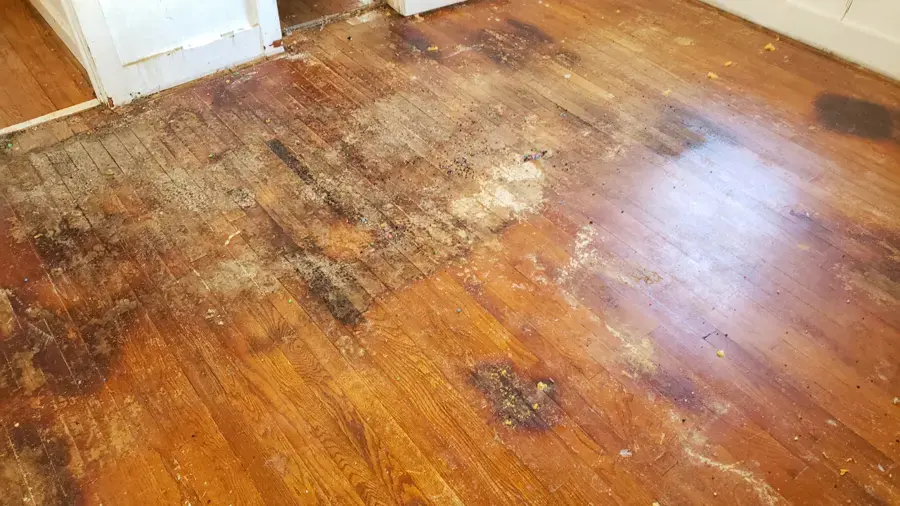 Hardwood Floor Water DamageBoards that cup after a leak, dried early and judged by moisture readings.See the service
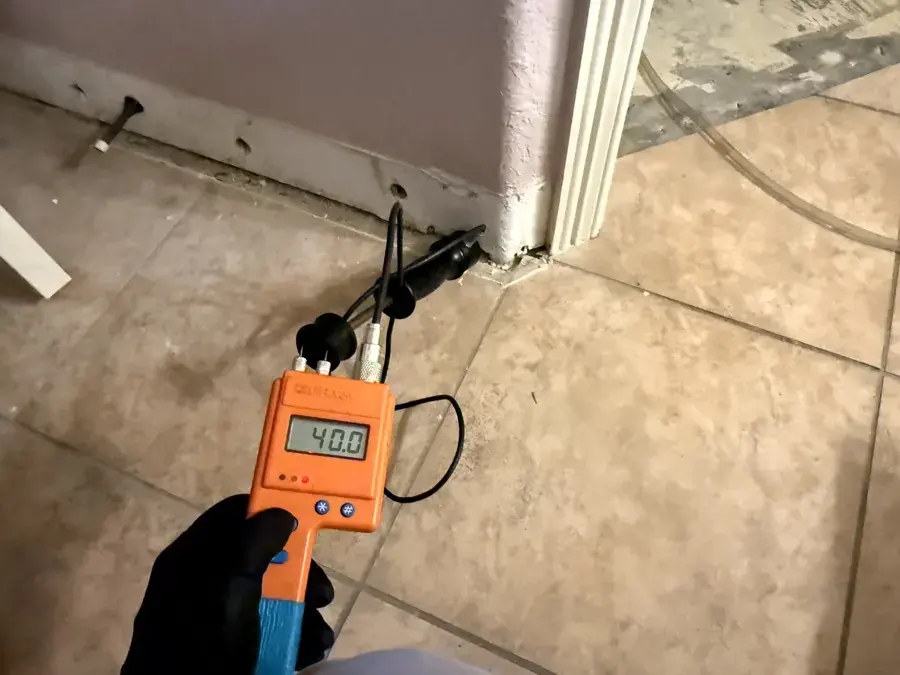 Structural DryingSlab, brick and wood framing dried on separate timelines in humid subtropical air.See the service
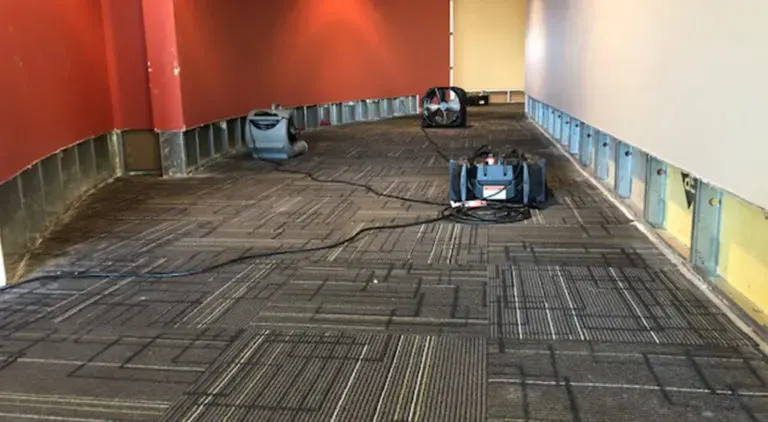 Commercial Water DamageAlliance warehouses, North Tarrant Parkway strips, restaurants, medical offices and apartment complexes.See the service
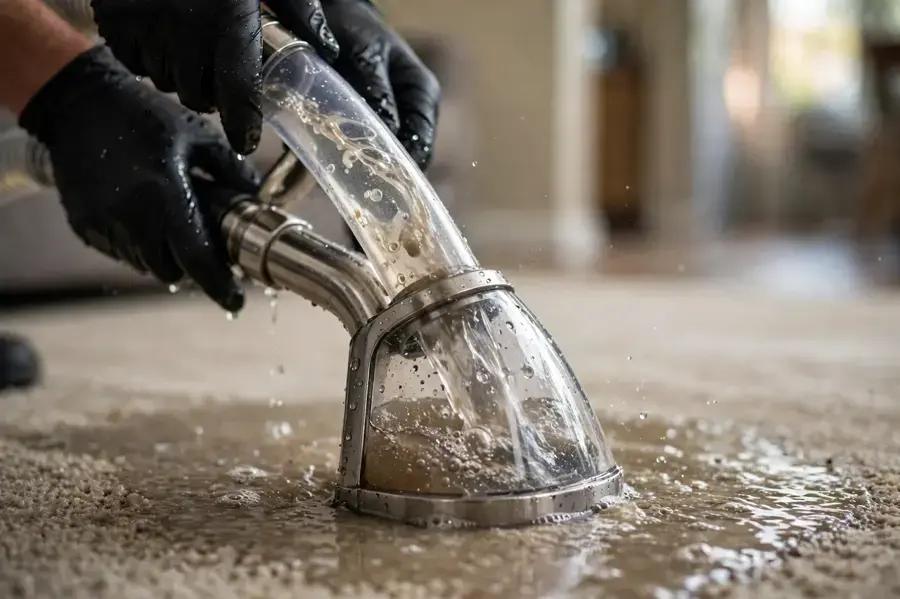 Carpet Water DamageCarpet and pad over wet floors in Summerfields, Park Glen and Fossil Park, dried or pulled by category.See the service
The first hour after water damage in Fort Worth
Water in a Fort Worth house keeps spreading while help is on the way, so these five steps hold the damage down until the drying team takes over.
Find the shutoff
Close the main valve at the house, or the one fixture valve when a single pipe leaks, so no more water enters.
Check the power
Breakers for soaked rooms go off only if the panel is dry and the person stands on dry ground. Otherwise avoid outlets and cords.
Photograph everything
Shoot wide and close-up photos of every wet room, the ceiling overhead and the source before moving anything. Tenants and owners each want a set.
Lift and prop
Raise rugs, boxes and furniture legs off wet flooring, and open closet and cabinet doors so air reaches damp surfaces.
Call for extraction
Pad, baseboards and wall bottoms keep absorbing water while it sits, so call once the safe steps are done.
A boil-water notice like the one in February 2021 changes nothing indoors: stop the source, document the damage and start drying.
What a water loss looks like in a northeast Fort Worth home
Mapping the wet zone
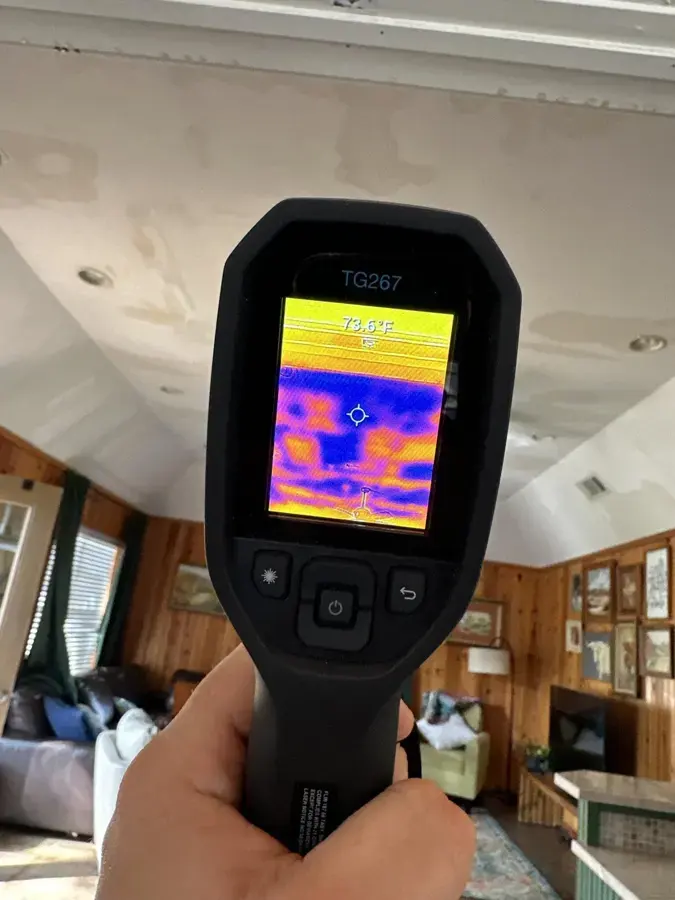
Moisture meters and thermal imaging check every room beside the leak first, because water in a suburban floor plan travels under walls into neighboring rooms.
Extraction
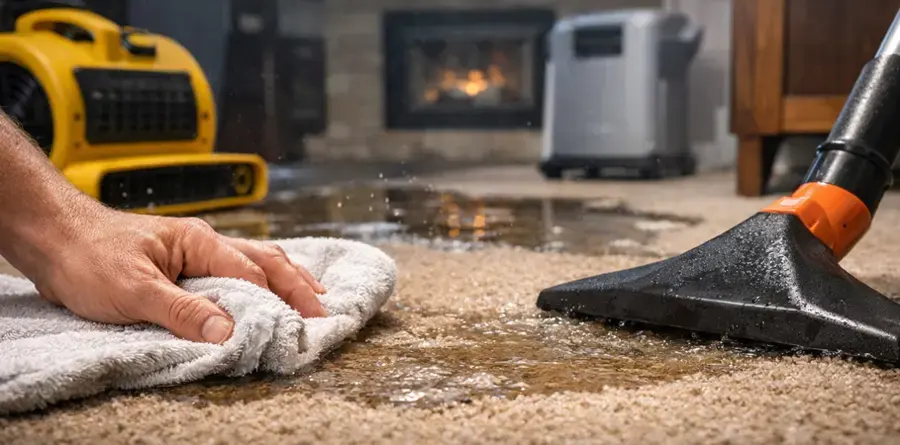
Truck-mounted extraction pulls out the standing water, then weighted tools press moisture from carpet and pad so less remains for the dehumidifiers.
Setting equipment
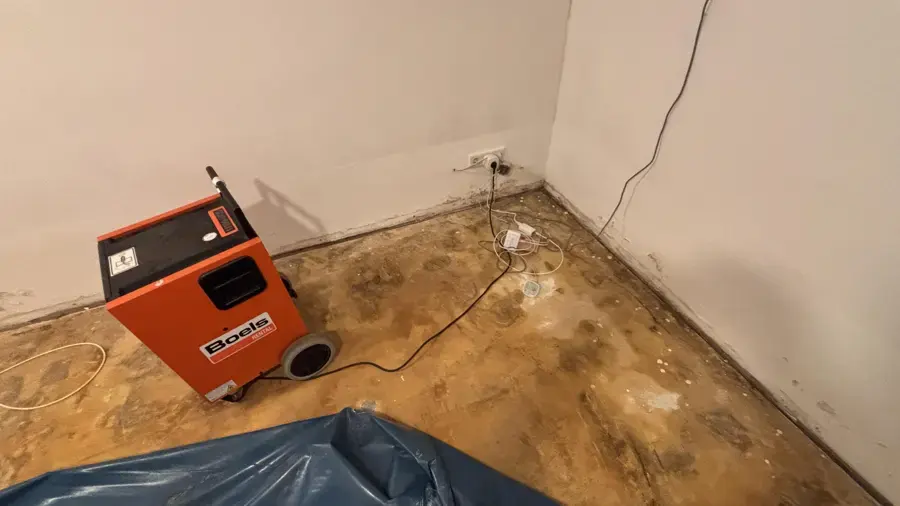
Air movers and LGR dehumidifiers are sized room by room, baseboards come off where water reached the wall bottoms and desiccant units join for dense materials.
Readings and release
Each material is metered every day, and the equipment stays in place until the numbers match a dry reference in the same house.
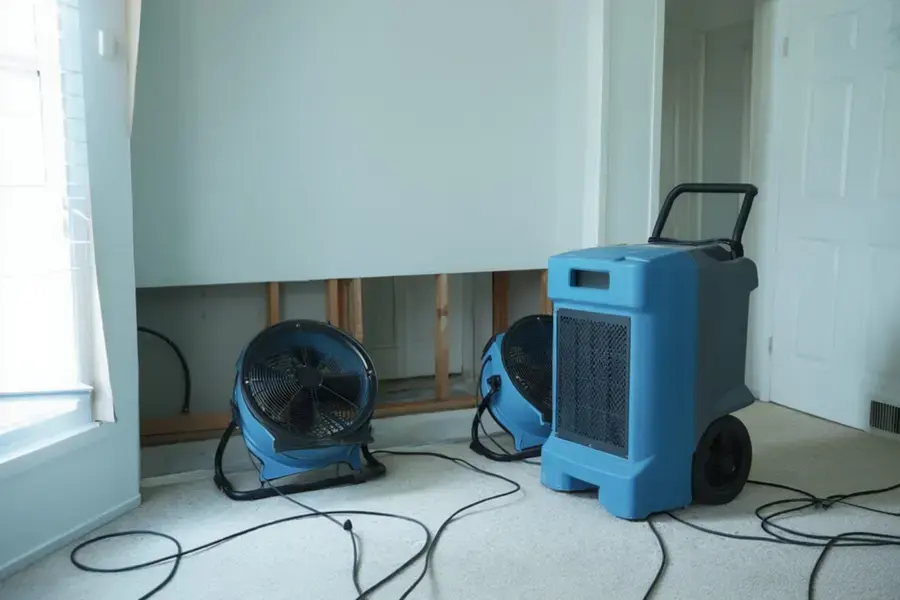
The drying goal
Readings, not days, decide. A wet material counts as dry when it sits two to four points from the same material in an unaffected room of the house.
Drying timeline in a Fort Worth house
Carpet and drywall hit by clean water reach the goal first. Humid subtropical air, dense framing and concrete that stayed wet slow the dry-out, so those materials set the pace.
Moisture map, extraction, baseboards off and equipment running in every wet room.
Readings fall and air movers get repositioned as the wet zones shrink.
Most clean-water carpet and drywall losses match the dry reference first.
Hardwood, framing and slabs that stayed wet, often with mats or desiccant units.
Category 1, 2 and 3 water in Fort Worth homes
Category 1, clean water
Clean supply pipes, water heaters and refrigerator tubing. Reached quickly, carpet and drywall frequently stay in place and dry there.
Category 2, gray water
Washer or dishwasher discharge and toilet water without solids. Pad is normally replaced and surfaces cleaned before drying starts.
Category 3, black water
Sewage, backed-up laterals and creek floodwater. Porous materials come out first, then antimicrobial treatment and drying begin.
What does water damage restoration cost in Fort Worth, TX?
Fort Worth jobs are priced by water category, floor area, material class and how soon drying began, the same drivers behind the North Richland Hills cost ranges.
One room, clean water
- Extraction and a moisture map
- Carpet dried in place
- Daily readings until the goal
Several rooms or a slab
- Baseboards and toe-kicks removed
- Soaked pad replaced
- Slab and wall-bottom drying
Sewage or creek water
- Porous materials removed
- Containment and air scrubbers
- Longer structural drying
Typical ranges only, never a quote. A rough budget for your own rooms comes from the water damage cost calculator.
Insurance: the Fort Worth claim file
Adjusters decide from documentation. With about 43% of Fort Worth housing units rented, a single loss can involve an owner's policy and a tenant's policy.
- Moisture map from day one, with photos stamped before any material is removed.
- Daily air, humidity and material readings recorded until the goal is reached.
- Water category, loss class and an itemized scope of work.
- One copy for the owner and another for the tenant in rented homes.
A city plumbing permit is required to change, install, move or repair plumbing, and that includes water heaters. Sudden water and rising creek water are treated differently, so ask your own insurer what is covered.
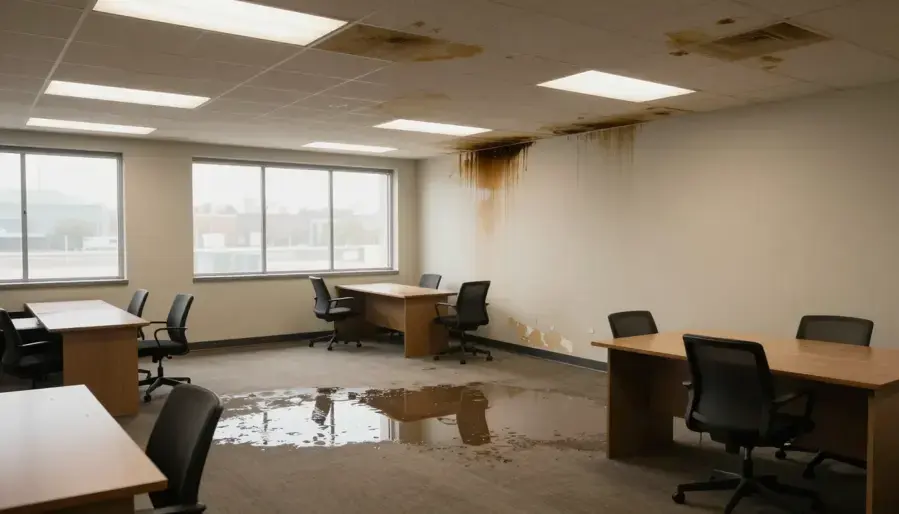
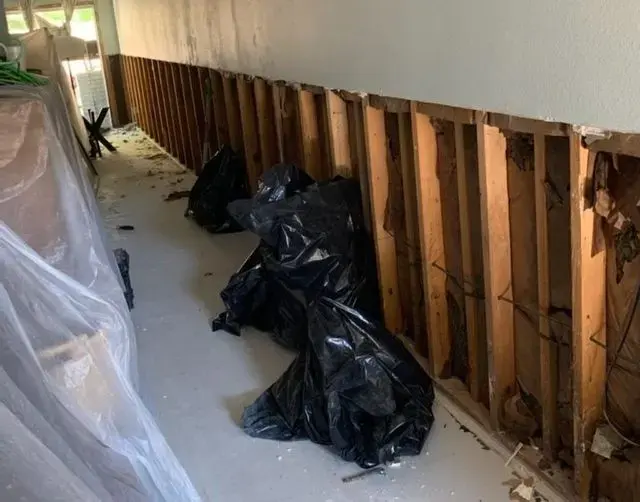
Inside a Fort Worth dry-out, photo by photo
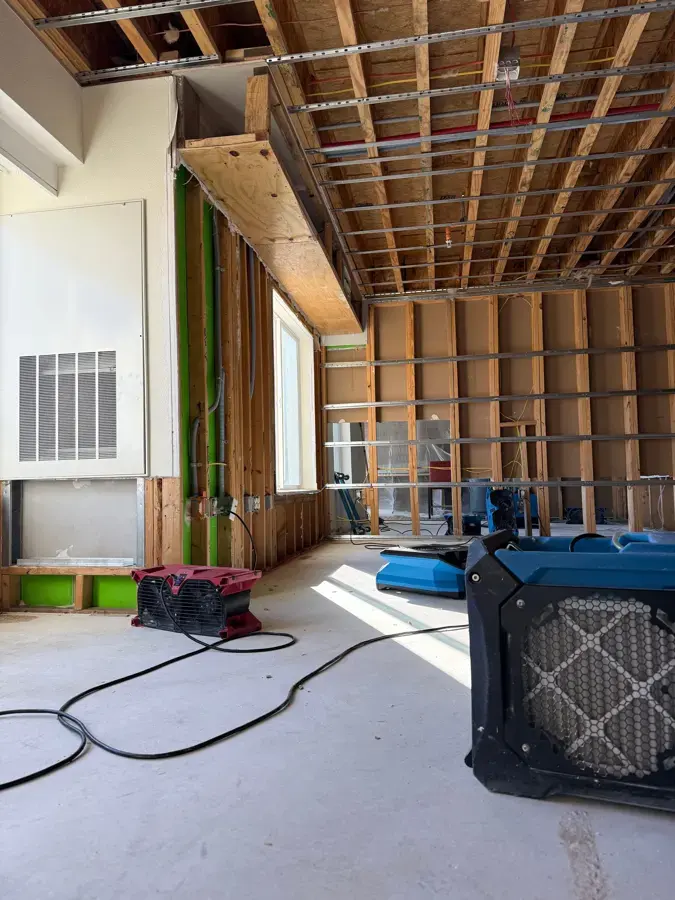

Fort Worth water damage pros, day or night
Around the clock, the closest extraction crew can head out with pumps, meters and drying gear to a house in 76137 or 76148, an older home in 76117 or a shop on Airport Freeway.
(888) 527-9134Send a drying crew to Fort WorthWater damage in Fort Worth, TX: the local risk profile
Northeast Fort Worth is largely 1980s and 1990s suburban housing, with a median build year of about 1985 in Summerfields, 1997 in Park Glen and 2002 in Fossil Park. Citywide, about 43% of homes are rented, so many losses involve both an owner and a tenant.
Clay and slab movement
Expansive clay swells when wet and shrinks in drought, and slab movement can crack drain pipes.
Big Fossil Creek flooding
The creek runs along the city's northeast edge, and heavy spring and fall rain brings the flash floods seen most often.
Hard-freeze bursts
Winter Storm Uri in February 2021 caused about 719 water main breaks, and freezes split pipes inside homes too.
Spring hail and storms
Supercells bring large hail, and the May 5, 1995 Mayfest storm dropped stones up to 4.5 inches across Tarrant County.
Areas served
All of northeast Fort Worth, from Summerfields, Park Glen and Fossil Park to the older Bonnie Brae and Browning Heights area near Haltom Road, plus the corridors along Loop 820, with these neighbors:
ZIP codes:
Fort Worth water damage questions, answered
Which agency fixes a broken city water main in Fort Worth?
The Fort Worth Water Department operates the municipal supply, so a main break is its repair. Drying a flooded floor is separate work that can start at once, without waiting for the street repair to finish.
Is my Fort Worth house at risk from Big Fossil Creek?
Homes close to the creek carry the most exposure. About 14 percent of the city sits in the FEMA 100-year floodplain, and the city says flash floods from heavy spring and fall rain are the most common type.
How should a house be checked after a hard freeze?
A boil-water notice covers drinking water only. Inside, inspect each room, the attic and exterior walls once pressure returns, because a cracked pipe can stay silent until it carries water again. The February 2021 freeze showed how widely that can happen.
What does the city advise when a sewer backs up?
Turn off water outlets first. If the backup stops, the trouble sits in the private lateral and calls for a plumber. If it continues, the public main may be involved, so the city's 24-hour sewer number is the next stop, then sewage backup cleanup.
Is carpet in a rented home worth drying?
Frequently, if the water was clean and pump-out began promptly. Gray water generally ends the pad, and sewage ends both carpet and pad. About 43% of Fort Worth units are rented, so owner and tenant each benefit from a copy of the drying record.
Does Fort Worth's humid climate slow drying?
It can. The humid subtropical climate, with roughly 34 to 37 inches of rain a year, keeps indoor air damp, so dehumidifiers do the heavy lifting and the team relies on readings rather than a guess about how dry a room feels.
Does repair work after a leak need a Fort Worth permit?
Changing, installing, moving or repairing plumbing, water heaters included, needs a city plumbing permit. The drying itself does not, but the pipe repair that follows usually does, so confirm it before the plumber starts.
Is water damage in a Fort Worth home covered by insurance?
A burst supply pipe or failed hose is a sudden event, usually handled under the homeowner policy after the deductible. Rain or creek water entering from outside normally needs separate flood coverage. The owner's policy protects the structure and the tenant's protects belongings, so read each one.
Can expansive clay cause leaks under a Fort Worth home?
Yes. Clay in Tarrant County swells when wet and shrinks in drought, and slab movement can crack drain pipes beneath the floor. See slab leak water damage in Fort Worth for how those losses are dried.
Could old polybutylene pipe be behind a leak?
Polybutylene supply pipe went into many North American homes from about 1978 to 1997, a span that overlaps the build years here. Which subdivisions used it is not documented, so the plumber identifies the pipe material at the leak.
Water spreading through a Fort Worth house? Call now.
Crews can be sent any hour to find the wet areas, pump the water out and dry the structure to readings.
Call (888) 527-9134 for Fort Worth water removal