Storm and Flood Cleanup in Fort Worth, TX
Big Fossil Creek runs along the northeast edge of Fort Worth, and heavy frontal rain in spring and fall can send flash floods through streets and into garages and living rooms. The crew pumps out floodwater, removes what it contaminated and dries the structure.
(888) 527-9134Floodwater inside? Call for pump-out and cleanup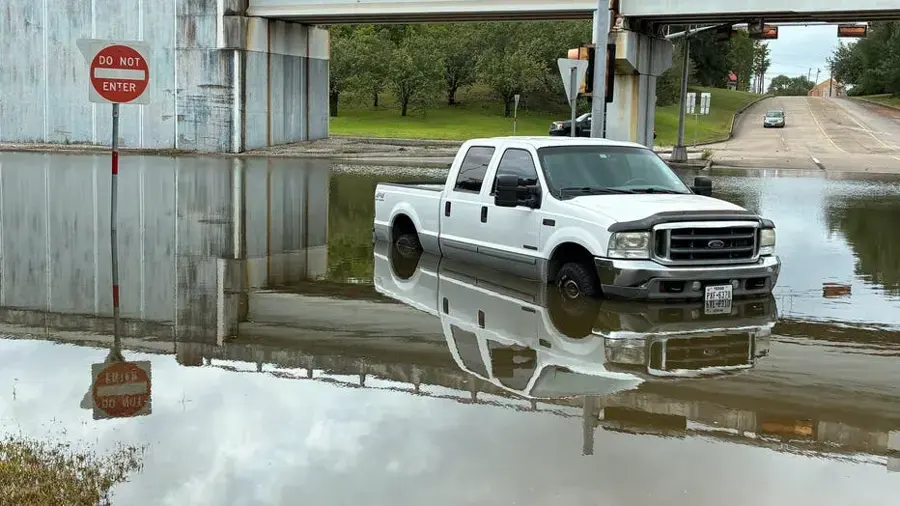
What to do first about storm and flood cleanup in Fort Worth
- Stay out of moving water. Floodwater hides debris, holes and electrical hazards. Do not walk or drive through it, and keep children and pets away from wet rooms.
- Turn off power if safe. Cut electricity at the panel only when it is dry and reachable without wading. If the panel stands in water, leave it alone and wait for help.
- Photograph the high-water mark. Capture wide and close photos of the waterline on walls, furniture and floors, with timestamps, before anything is carried out.
- Hold off on salvage. Avoid handling soaked food, bedding and upholstery. Call for extraction, since flood-contaminated porous items are usually removed, not dried.
Where storm water comes from in Fort Worth
Big Fossil Creek flows southeast along the northeast edge of the city through Haltom City, North Richland Hills and Richland Hills to the West Fork of the Trinity River. USGS documented a notable flood on it at Haltom City in 1962. Little Fossil Creek and Sycamore Creek are other named Fort Worth streams studied for urban runoff.
About 14 percent of Fort Worth sits in the FEMA 100-year floodplain, roughly 5,693 buildings by city figures. The city says flash floods from heavy frontal rain in spring and fall are the most common type.
What does storm and flood cleanup cost in Fort Worth, TX?
Storm and flood cleanup in Fort Worth is priced by how deep the water rose, how long it stayed and how many porous materials it touched. A garage and one room sit low, a whole floor sits high. The North Richland Hills flood cleanup ranges show typical figures.
Garage and one room
- Pump-out and mud removal
- Wet carpet and pad removed
- Antimicrobial on surfaces
Several rooms
- Drywall cut above the waterline
- Baseboards and insulation out
- Containment where needed
Whole floor
- Flooring removed throughout
- Air scrubbers on site
- Extended structural drying
For a planning range on your own rooms, use the water damage cost calculator. These are typical ranges, never a quote: the category of water, the square footage, the material class and how fast drying started set the real number.
How storm and flood cleanup is handled in Fort Worth
Assess and protect
The crew checks the waterline, puts on protective gear and sets containment, because floodwater is Category 3 from the start and carries soil, runoff and sewage.
Pump out and remove
Standing water and silt are extracted, then carpet, pad and drywall touched by the flood are cut out and bagged, since porous material is removed, not dried.
Treat and clean
Surfaces and exposed framing are cleaned and treated with EPA-registered antimicrobial before any drying equipment goes in.
Dry and verify
Air movers and dehumidifiers dry the structure, and readings are logged daily until the framing, slab and remaining drywall meet the dry reference.
Why floodwater is handled as Category 3
Floodwater that crossed streets, yards and drains is not clean, whatever it looks like. It carries soil, runoff and sometimes sewage, which is why anything porous that it touched is removed.
Sanitary sewer is kept separate from storm drainage by design, but cracks and bad connections can let heavy rain overload the system, so floodwater and sewage can mix inside a house. That possibility is why the cleanup starts with protective gear and containment.
- Carpet, pad and wet drywall are removed
- Framing is cleaned and treated
- Air scrubbers run during removal
Flash floods, spring and fall rain
Frontal rain can drop heavy water in a short window, and streets near a creek fill first. In 1922, a Fort Worth flood on April 12 led to the Tarrant Regional Water District two years later, which later built levees and reservoirs.
Fort Worth updated its floodplain regulations in 2024. Whether a home sits inside the mapped floodplain also affects what insurance applies, so owners near the creek often learn their status only after a loss. The city's own maps show it.
Flood insurance and what to document
Rising surface water is generally a flood policy matter, separate from sudden pipe breaks under a homeowner policy. Keep photos of the waterline, the drying records and a list of removed items. A rental may involve two policies, since about 43% of units are rented. See sewage backup cleanup in Fort Worth if a drain also overflowed, and ask your own insurer about coverage.
Storm and Flood Cleanup across Fort Worth and nearby towns
Flood crews cover ZIP codes 76137 and 76148, including Summerfields, Park Glen and Fossil Park, plus the older Bonnie Brae and Browning Heights area in 76117 near Haltom Road and Airport Freeway, closest to Big Fossil Creek.
The same service in nearby towns: Storm and Flood Cleanup in Haltom City, Storm and Flood Cleanup in Saginaw, Storm and Flood Cleanup in Richland Hills.
Related water damage services in Fort Worth
Storm and Flood Cleanup questions in Fort Worth, TX
Is floodwater clean or contaminated?
Contaminated. Water that crossed streets, yards or drains is Category 3 from the start, so porous materials it touched come out and surfaces are treated with antimicrobial before drying begins.
Is my Fort Worth home at risk from Big Fossil Creek?
Homes near the creek carry the most exposure, and about 14 percent of the city lies in the FEMA 100-year floodplain. Spring and fall frontal rain brings the flash floods the city sees most.
Can carpet that got flooded be saved?
Seldom. Carpet and pad that touched floodwater are porous and are normally removed. Hard surfaces can be cleaned and dried, and the crew meters concrete and framing before anything is rebuilt.
How long does flood drying take?
It depends on how deep the water rose and how long it stayed. Removal comes first, then structural drying, and readings set the end date. Humid subtropical air can lengthen the schedule.
Does homeowners insurance cover flood damage?
Rising surface water usually falls under a separate flood policy, not the standard homeowner policy. Rain entering through a roof may be different, so ask your own insurer.
What should be documented after a flash flood?
Dated photos of the waterline, damaged items, the drying readings and any repair estimates. Those records give the adjuster a clear picture of how high the water rose and what came out.
Storm and Flood Cleanup in Fort Worth? Start the dry-out now.
The response team answers 24/7 and sends the closest extraction crew with meters, pumps and drying equipment.
Call (888) 527-9134 now