Storm and Flood Cleanup in North Richland Hills, TX
Heavy North Texas rain can turn a creek channel or a street drain into moving water in under an hour. When it gets inside, the restoration team treats it as Category 3: contained, extracted, porous materials removed and the structure disinfected and dried.
(888) 527-9134Creek water inside? Call for flood cleanup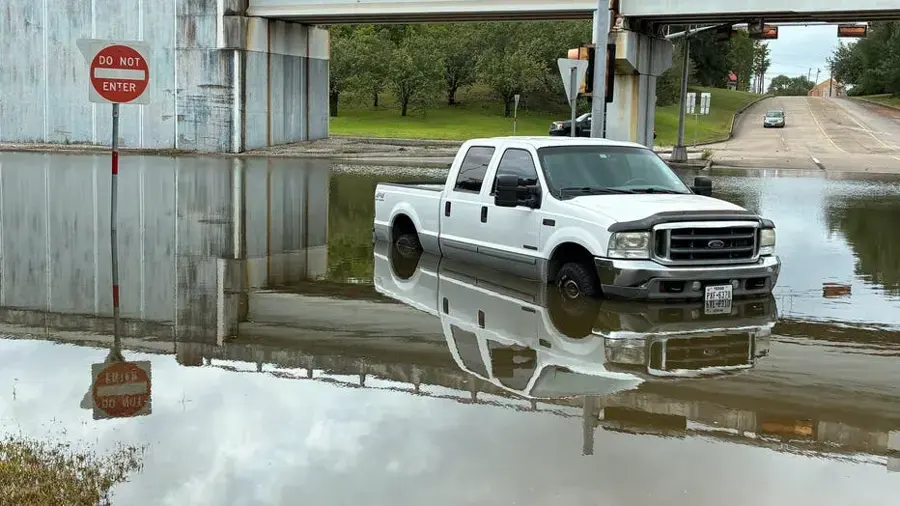
What to do first about storm and flood cleanup in North Richland Hills
- Stay out of moving water. Never walk or drive through flood water. Turn around; a few inches of moving water can knock a person down.
- Keep power off. Do not enter a flooded room if outlets or cords are under water. Have the power cut at the meter if needed.
- Wear protection. Storm water carries soil, sewage and chemicals. Wear boots and gloves and keep children and pets away.
- Photograph the high-water line. Photograph the water level on walls, furniture and the outside of the house before cleanup begins.
Where storm water comes from in North Richland Hills
The city lists Calloway Branch, Big Fossil Creek, Singing Hills Creek, Mackey Creek, Walker Branch and Mesquite Branch as tributaries running through or beside it. Calloway Branch joins Big Fossil Creek near US 377 and I-820, a junction National Weather Service research calls the most flash-flood-prone spot in north Tarrant County.
Most storm water in homes here is not from a river overtopping, though. It is street drains overwhelmed by intense rain, water sheeting off clay yards toward slab edges and garage doors, and low lots near creek channels.
What does storm and flood cleanup cost in North Richland Hills, TX?
In North Richland Hills, TX, storm and flood cleanup typically runs $2,500 to $15,000 or more, because Category 3 water means porous materials come out. A garage and one room is at the low end; several rooms with flood cuts and flooring removal is at the high end.
Garage and one room
- Extraction and mud-out
- Antimicrobial application
- Drying and readings
Several rooms
- Flood cuts above the water line
- Carpet, pad and baseboards removed
- Containment and HEPA air scrubbers
Whole floor
- Full interior tear-out to the line
- Contents pack-out
- Extended structural drying
For a planning range on your own rooms, use the water damage cost calculator. These are typical ranges, never a quote: the category of water, the square footage, the material class and how fast drying started set the real number.
How storm and flood cleanup is handled in North Richland Hills
Map the moisture
The tech who does the walkthrough runs pinless meters and thermal imaging so the plan matches what is actually wet in the North Richland Hills home, not what looks wet.
Stop the source and extract
The extraction crew pulls standing water with truck-mounted extraction, so the water leaves the building instead of moving to the next room.
Set the drying system
Air movers go in at each room's evaporation load and LGR dehumidifiers pull that moisture out of the air; desiccants come in for dense Class 4 materials.
Verify dry and document
The drying team logs readings daily and pulls equipment only when wet materials sit within 2 to 4 points of a dry reference, then the file goes to the adjuster.
Why storm water is handled as Category 3
Water that crossed lawns, streets and storm drains carries soil, fertilizer, oil and often sewage. Under the IICRC standards that makes it Category 3 the moment it enters, no matter how clear it looks.
The mitigation team sets containment, wears protective gear, removes drywall, insulation, carpet and pad that the water touched, cleans the structure and applies an EPA-registered antimicrobial before drying begins.
- Flood cuts usually run a foot or two above the high-water line
- Hard surfaces are cleaned, not just dried
- HEPA air scrubbers run during removal
Floodplain rules and flood insurance
North Richland Hills requires a Floodplain Development Permit before improvements or fill on property in the 1% annual chance floodplain, and the city engineering office can say whether a lot is mapped in it. Standard homeowners policies usually exclude rising surface water, which is covered by separate flood insurance through FEMA's program or private carriers. FEMA's FloodSmart program explains how flood policies work.
What goes in the flood file
Photos of the high-water line, the category and class of the loss, a list of removed materials, the moisture map and daily drying logs. Flood adjusters work from that record. Coverage depends on your policy, so it is worth checking with your own insurer.
Storm and Flood Cleanup across North Richland Hills and nearby towns
The North Richland Hills restoration crew covers ZIP codes 76180 and 76182, the Smithfield and Iron Horse areas, HomeTown and the Davis Boulevard and Rufe Snow Drive corridors, plus Richland Hills, Haltom City, Hurst, Watauga and the rest of northeast Tarrant County.
The same service in nearby towns: Storm and Flood Cleanup in Richland Hills, Storm and Flood Cleanup in Haltom City, Storm and Flood Cleanup in Hurst, Storm and Flood Cleanup in Watauga, Storm and Flood Cleanup in Bedford, Storm and Flood Cleanup in Colleyville, Storm and Flood Cleanup in Keller, Storm and Flood Cleanup in Fort Worth, Storm and Flood Cleanup in Saginaw, Storm and Flood Cleanup in Euless.
See every town and ZIP code covered.
Further reading: Ready.gov flood preparedness and National Weather Service flood safety.
Related water damage services in North Richland Hills
Storm and Flood Cleanup questions in North Richland Hills, TX
Is flood water inside the house dangerous?
Yes. Storm water carries bacteria, sewage and chemicals, and can hide live electrical hazards. Keep the power off, wear boots and gloves, and keep children and pets away.
Can carpet be saved after a flood?
No. Carpet and pad touched by storm water are Category 3 porous materials, so they are removed and replaced, not dried.
How high do the walls get cut?
Usually a foot or two above the high-water line, so wet and contaminated drywall and insulation come out completely and the framing can be cleaned and dried.
Does homeowners insurance cover storm flooding?
Usually not for rising surface water; that is flood insurance. Wind-driven rain through a damaged roof is a different matter. Coverage depends on your policy, so it is worth checking with your own insurer.
How do I know if my lot is in a floodplain?
The North Richland Hills engineering office can check a property against the FEMA flood maps, and the FEMA Flood Map Service Center shows mapped zones online.
How long does flood cleanup take?
Removal and cleaning take a day or two for most homes; structural drying then usually runs three to five days. Rebuilding follows once the readings say dry.
Storm and Flood Cleanup in North Richland Hills? Start the dry-out now.
The response team answers 24/7 and sends the closest extraction crew with meters, pumps and drying equipment.
Call (888) 527-9134 now