Storm and Flood Cleanup in Colleyville, TX
When heavy rain or creek runoff pushes water into a Colleyville home, it is handled as contaminated Category 3 water from the first minute. The cleanup crew removes porous materials, extracts and treats surfaces, then dries the structure to the IICRC S500 standard.
(888) 527-9134Storm water inside the house? Call the cleanup crew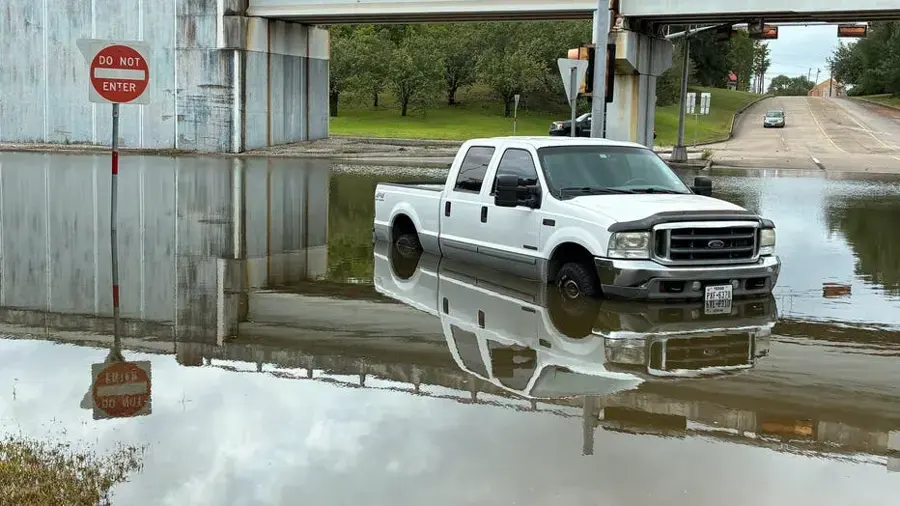
What to do first about storm and flood cleanup in Colleyville
- Stay out if unsafe. Do not wade through water that may touch outlets, and avoid contact with the water itself, which can carry contamination.
- Shut off power. If the panel is dry and reachable, switch off affected circuits. If water is near the panel, leave it and call for help.
- Photograph the water line. Record how high the water reached on walls and furniture, and take wide shots of each room before cleanup begins.
- Call before you clean. Skip pulling up carpet and tossing items alone. Contaminated materials need protective gear and a plan for removal.
Where storm water comes from in Colleyville
Southern Colleyville drains through Big Bear Creek and Little Bear Creek toward the West Fork of the Trinity River. The Little Bear Creek crossing at Bedford Road near Sparger Park is a documented flooding location. Colleyville Nature Center has ponds, but no major lake sits inside the city.
A 2019 Kimley-Horn study evaluated 125 road crossings and flagged 45 for stormwater projects. Reported causes of flooding include more impervious cover from development and changed lot grading during individual home construction, so runoff can find new paths toward older houses.
What does storm and flood cleanup cost in Colleyville, TX?
A Colleyville storm cleanup is priced on the drivers behind the North Richland Hills storm and flood ranges. Because the water is Category 3, removal of porous materials and treatment are part of the work even when only one room is wet, and depth and area matter most.
One room, shallow water
- Extraction and surface treatment
- Pad and baseboards taken out
- Containment where needed
Several rooms
- Carpet and pad taken out
- Lower drywall cut out
- HEPA air scrubbers
Whole level or deep water
- Extensive material removal
- Antimicrobial on framing
- Long structural drying
For a planning range on your own rooms, use the water damage cost calculator. These are typical ranges, never a quote: the category of water, the square footage, the material class and how fast drying started set the real number.
How storm and flood cleanup is handled in Colleyville
Assess and protect
The crew puts on protective gear, checks how far the water reached and sets up containment so contamination does not spread to dry rooms.
Extract and remove
Standing water is pumped out, then carpet, pad and the lower part of soaked drywall that touched floodwater are cut out and bagged rather than dried.
Clean and treat
Remaining surfaces and framing are cleaned and treated with an antimicrobial, and HEPA air scrubbers run while the work is under way.
Dry and verify
Air movers and LGR dehumidifiers dry the structure, and daily readings continue until materials reach the dry reference and the log is complete.
Why storm water is handled as Category 3
Floodwater from the street, a creek or a storm drain picks up soil, debris and whatever it crosses, so it is treated as contaminated from the moment it enters a home. That is why cleaning comes before drying.
Porous materials that touched it, such as carpet, pad and lower drywall, are removed instead of dried, because they cannot be made safe in place. Hard surfaces and framing are cleaned and treated, then dried with air movers and LGR dehumidifiers. This sequence also keeps contamination from moving into rooms the water never reached.
- Carpet and pad that touched floodwater
- Drywall and insulation below the water line
- Soft items that cannot be cleaned
Creek drainage and flood insurance questions
Living near a drainage area does not mean a specific address sits in any flood zone, and parcels should be checked directly. Rising surface water is usually a flood policy matter, while sudden plumbing water falls under a standard homeowners policy. Many owners learn the difference only after a loss, so reading the policy beforehand helps.
Ask your own insurer which applies, and see sewage backup cleanup when a sewer backed up during the storm.
What goes in the flood file
Keep photos of the water line, the removed materials, the cleaning steps and the daily readings, and note the storm date and the hour water first entered. Receipts for disposal and treatment belong in the same folder. The Colleyville water damage overview lists the related services if the storm also damaged the roof.
Storm and Flood Cleanup across Colleyville and nearby towns
The cleanup crew covers ZIP code 76034, including homes near Sparger Park, the Colleyville Nature Center area, Mill Creek, Brook Meadows and Plymouth Hills, as well as Town Center Colleyville and the Heritage Avenue corridor.
The same service in nearby towns: Storm and Flood Cleanup in Bedford, Storm and Flood Cleanup in Hurst, Storm and Flood Cleanup in Euless.
Related water damage services in Colleyville
Storm and Flood Cleanup questions in Colleyville, TX
Why is storm water treated as contaminated?
Floodwater crosses streets, yards and drains before it enters a home, so it can carry bacteria and debris. That is why it is classed as Category 3 and handled with protective gear.
Can flooded carpet be dried and kept?
Not when the water is Category 3. Carpet and pad that touched floodwater are removed, while hard surfaces and framing are cleaned and treated before drying begins. The same rule applies to upholstered items that cannot be cleaned.
Is creek flooding a risk across all of Colleyville?
Southern Colleyville drains through Big Bear Creek and Little Bear Creek, and the Bedford Road crossing is a documented flooding location. Risk depends on the site, so check specific parcels directly.
What causes flooding in Colleyville?
Reported causes include more impervious cover from development and changed lot grading during individual home construction. A 2019 Kimley-Horn study flagged 45 of 125 road crossings for stormwater projects, which shows how widespread the concern is.
Does homeowners insurance cover storm flooding?
Rising surface water is usually a flood policy matter, while sudden plumbing water is covered differently. Review your own policy and ask your insurer before work begins.
How long before drying can start?
Removal and cleaning come first, so drying starts once contaminated materials are out. Starting soon after the water enters keeps moisture from reaching more framing, and the daily readings show when each material reaches the dry reference.
Storm and Flood Cleanup in Colleyville? Start the dry-out now.
The response team answers 24/7 and sends the closest extraction crew with meters, pumps and drying equipment.
Call (888) 527-9134 now