Roof Leak Water Damage Restoration in Hurst, TX
Hurst sits in the North Texas hail corridor, and damaged shingles or flashing can let rain into the attic days after a storm. The restoration team follows the water down from the roof deck, removes wet insulation and dries ceilings and walls to a verified reading.
(888) 527-9134Leak after a hailstorm? Call for the dry-out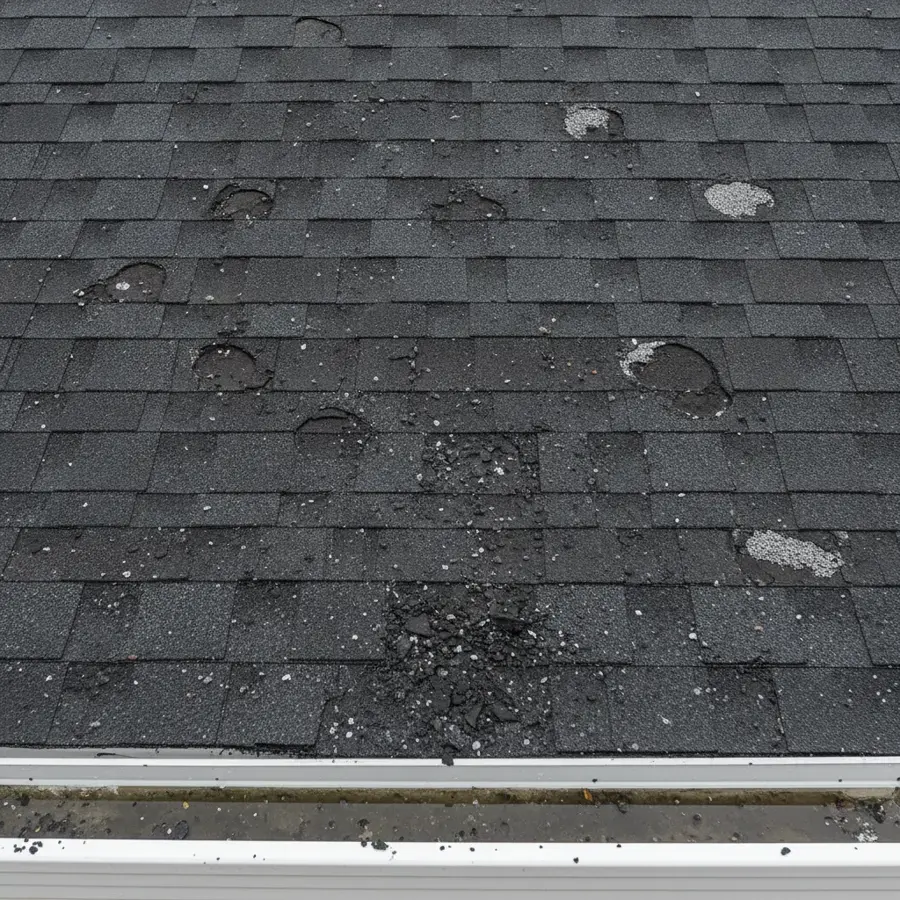
What to do first about roof leak water damage in Hurst
- Stay off the roof. Wet shingles are slick and damaged decking can give way, so leave the roof to a roofer and look only from the ground.
- Look in the attic. If it is safe, check for dripping, dark insulation or daylight at the deck, and set a bucket under any stream of water.
- Protect the rooms below. Move furniture and electronics out from under stained ceilings and cover what cannot move with plastic sheeting.
- Photograph the storm. Record hail on the ground, dented gutters and vents and every stain, with dates, for the claim file.
Why roofs leak in Hurst
Hurst has a humid subtropical climate with a spring storm season, and peak hail risk runs from March through June. Hail bruises shingles and loosens flashing, and the leak that follows may not appear until a later rain.
Many Hurst homes are one-story brick ranches, so the roof sits just above the living space. Water that gets under the shingles reaches insulation and the ceiling quickly, which is why the dry-out has to follow it from the attic down.
What does roof leak water damage cost in Hurst, TX?
Roof leak dry-outs in Hurst follow the North Richland Hills roof leak ranges, separate from the roofer. A single leak point sits low, and a storm that let water into several rooms through wet insulation sits much higher. Starting while the attic insulation is only damp keeps the job near the low end.
One leak point
- Entry point traced
- Ceiling spot dried
- Readings until dry
Wet insulation, several rooms
- Wet insulation pulled out
- Drywall opened to dry
- Daily moisture numbers
Major storm intrusion
- Ceilings and walls opened
- Floors and pad dried too
- Longer equipment stay
For a planning range on your own rooms, use the water damage cost calculator. These are typical ranges, never a quote: the category of water, the square footage, the material class and how fast drying started set the real number.
How roof leak water damage is handled in Hurst
Find the entry point
Moisture meters and a thermal camera follow the wet path from the ceiling stain back through the insulation toward the roof deck, which shows where the water got in.
Remove wet insulation
Saturated insulation holds water against the drywall, so it comes out first, and tarps or buckets protect the rooms while the roofer works.
Dry attic and ceiling
Air movers and LGR dehumidifiers dry the opened ceiling and the framing, and the attic is vented so moisture leaves the structure.
Check walls and floor
Water that ran down inside exterior walls is chased to the slab edge with meters, and carpet below is dried or pulled by its condition.
Drying from the roof deck down
Rain that passes shingles first meets the deck, then insulation, then the ceiling, and each layer adds to the damp load. The crew works in the same order, starting in the attic and finishing at the floor.
In a ranch house the attic spans most of the home, so one leak can wet a surprising stretch of ceiling. Mapping it with a thermal camera keeps the demolition limited to what the meters flag.
- Attic insulation that holds water against the ceiling
- Exterior wall cavities that carry water to the slab edge
- Carpet and pad where the water finally lands
Planning around hail season
Peak hail risk runs from March through June, so spring is the time to look for lifted flashing, bruised shingles and cracked vents. Catching a small opening before a downpour is far cheaper than drying a soaked attic.
After a storm, check ceilings and attic insulation within a day or two, since a slow leak can stay hidden. Related damage from a failing roof can also look like a ceiling leak at first.
Roof leaks and the insurance file
Storm damage claims lean on photographs and dates. Capture the hail, the roof as seen from the ground, the attic and every stained ceiling, then keep the drying logs. Wind and hail damage is often handled under a separate deductible, and policies differ, so check with your own insurer. Standing water below is covered on the water extraction page.
Roof Leak Water Damage across Hurst and nearby towns
Storm leaks are handled across Hurst, ZIP codes 76053, 76054 and 76180, from the older blocks near Mid-Cities Boulevard and the Pipeline Road corridor to the Prestonwood Estates, Heatherwood Estates and Bellaire Park subdivisions.
The same service in nearby towns: Roof Leak Water Damage in Bedford, Roof Leak Water Damage in Richland Hills, Roof Leak Water Damage in Colleyville.
Related water damage services in Hurst
Roof Leak Water Damage questions in Hurst, TX
When does hail leak risk peak in Hurst?
Hurst sits in the North Texas hail corridor, and peak hail risk runs from March through June. Leaks from damaged shingles and flashing can show up during any later rain.
Can hail cause a leak that shows up weeks later?
Yes. Hail can bruise shingles and loosen flashing without an obvious hole, and water finds the opening during a later storm. That is why a stain after a rain deserves a quick look.
Should I climb up and check the roof?
No. Wet shingles are slippery and damaged decking can fail. Look from the ground, check the attic if it is safe, and leave roof inspection and repair to a roofer.
What gets removed after a roof leak?
Wet insulation always comes out because it holds water against the ceiling. Drywall is opened where the meters show trapped moisture and left in place where it can dry.
How long does the dry-out take?
A leak in one room often needs three to five days of airflow and dehumidifiers. Several rooms or soaked insulation take longer, and the readings release the equipment.
Does the roofer or the drying team come first?
The roofer stops the leak, and the drying team works on everything the water reached. Both can work at once when the area is safe, with tarps protecting the openings.
Roof Leak Water Damage in Hurst? Start the dry-out now.
The response team answers 24/7 and sends the closest extraction crew with meters, pumps and drying equipment.
Call (888) 527-9134 now