Polybutylene Supply Pipe: Why Homes Built Between 1978 and 1997 Need a Plumbing Check
From about 1978 to 1997, polybutylene plastic supply pipe was installed in several million North American homes as a low-cost alternative to copper. The pipe was usually gray, blue or black, joined with fittings, and sold as durable and corrosion-resistant.
Key takeaways
- Polybutylene supply pipe was installed from roughly 1978 to 1997 and can degrade when exposed to chlorinated water, especially at fittings and bends where stress concentrates.
- North Richland Hills homes with a median build year of 1986 and Fort Worth neighborhoods such as Summerfields (median about 1985) and Park Glen (median about 1997) overlap the polybutylene era, but use in a specific home is not assumed.
- The pipe can fail quietly at water heater connections, main shutoffs, under-sink lines and behind walls, with leaks that run for weeks before visible damage appears.
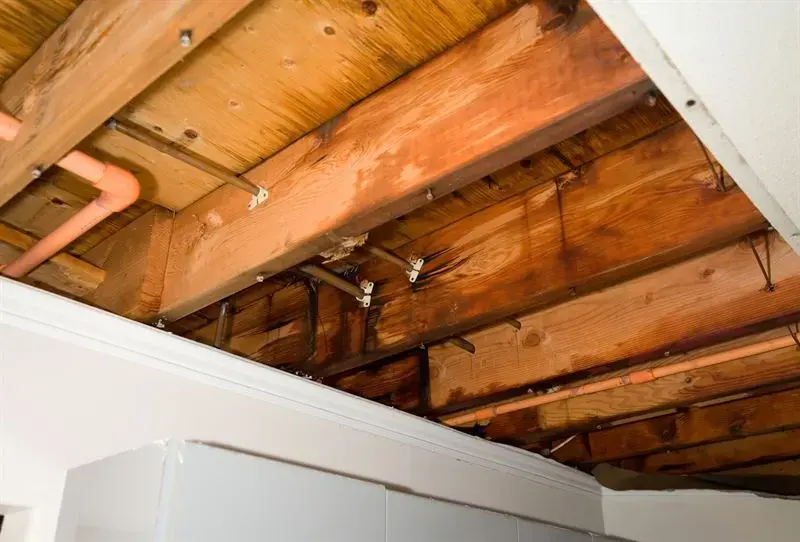
- A pinhole leak in polybutylene hidden inside a wall or attic can saturate insulation and framing, leading to biological growth and structural damage.
- A plumbing check for polybutylene is inexpensive insurance for any home built in the 1978 to 1997 window.
What polybutylene pipe is and why it was used
What builders and homeowners did not know was that chlorine, the same chemical municipal water systems use to kill bacteria, slowly degrades polybutylene plastic from the inside out.
Homes built during those two decades, such as those in North Richland Hills (median year built 1986) or the Fort Worth neighborhoods of Summerfields (median about 1985) and Park Glen (median about 1997), overlap the polybutylene era, although whether a particular home has the pipe has to be checked home by home.
A pinhole leak at a fitting can run for weeks before a homeowner notices wet drywall or rising water bills. Knowing where the pipe is, what it looks like and what to check can prevent a large repair bill.
Polybutylene is a plastic resin sold as PB pipe, labeled with the initials PB and usually gray, blue or black. It was cheaper to produce and simpler to install than copper, which made it attractive to builders during the 1980s and early 1990s, when new homes were rising across North Richland Hills, Fort Worth and the Mid-Cities.
The pipe typically entered the home at the water meter, continued through the walls to the water heater, branched to bathrooms and kitchens, and fed outdoor spigots. It was flexible, easy to bend and fit into tight spaces, which meant faster installation.
From a builder's perspective in the 1980s, polybutylene was modern and economical. What nobody had tested thoroughly was how it would age in the presence of chlorine.
By the late 1990s, failures were showing up: leaks at fittings, wet walls and sudden water damage. Lawsuits and settlements with manufacturers followed, and polybutylene was phased out of new construction.
How chlorine degrades polybutylene at fittings and bends
Chlorine is a powerful oxidizer. Municipal water systems use it to disinfect water and kill bacteria during distribution.
The chlorine molecules attack polybutylene plastic at a molecular level, breaking down the polymer chains and making the material brittle and weak.
This degradation happens from the inside of the pipe, where the water flows, so a homeowner sees no warning signs until the pipe fails.
The failure tends to happen at fittings, where stress concentrates. A fitting gripping polybutylene tubing creates a mechanical weak point where the plastic is compressed.
As the chlorine weakens the plastic, the fitting becomes the first place the pipe gives way.
A pinhole leak starts small, dripping a few drops at a time. Over weeks or months, those drops soak into insulation, drywall and wood framing behind the wall or in the attic.
Bends in the pipe are also vulnerable. When polybutylene is bent to navigate framing or turn a corner, the bend radius stress concentrates the load on a smaller area of plastic.
Chlorine attack at a bend can cause a slow split or crack that leaks for a long time before breaking wide open.
Where to look: water heaters, shutoffs and under sinks
The common failure points are easy to check. Start at the water heater, whether it is in a garage, closet or utility room.
Look at the supply lines coming into and out of the tank.
Blue, gray or black plastic with a PB marking is polybutylene. The same check applies to the main water shutoff, which is usually near the meter or where the water enters the house.
Lines under kitchen and bathroom sinks are another common location; turn off the sink shut-off valves and look behind the cabinet.
If polybutylene turns up, look at the fittings where it connects. Some homes have whole systems of polybutylene; others have a mix of polybutylene and copper.
A home built between about 1978 and 1997 is worth checking, and a plumber can confirm what is actually in the walls.
Check for water stains or soft spots in the drywall around any visible polybutylene, especially in attics where air handlers and supply lines run. If the area feels damp or looks stained, there may already be a slow leak in the walls.
What a pinhole leak does inside a wall or attic
A pinhole leak from a polybutylene fitting can run for a long time because it is small and steady. In an attic, that water soaks into insulation and the wood framing of the roof.
In a wall cavity, it saturates the drywall backing and any insulation inside. The slow, steady dampness creates an ideal environment for biological growth, which can begin within 24 to 48 hours in the Texas humidity.
The moisture wicks up into wood framing, which swells and weakens. If the leak goes unnoticed for weeks or months, the damage spreads.
Roof sheathing can rot and ceiling drywall can sag.
In a home on a slab foundation, leaks in walls near the slab edge can wick moisture up into the wall cavity and create problems that take a long time to dry out.
When a burst pipe in North Richland Hills traces back to polybutylene, the damage often extends behind walls and through insulation. A water extraction team in North Richland Hills can help locate moisture in walls and attics if damage has already begun.
But the best approach is preventive: find the polybutylene before it leaks. Many homeowners choose to replace polybutylene lines as part of a plan for water damage restoration in North Richland Hills, especially if the home was built in the 1978 to 1997 window.
Inspection, replacement and insurance
A plumber can inspect polybutylene pipe for age and condition, identify all the locations it runs, and advise on replacement cost and urgency. Many plumbers recommend replacing all visible polybutylene as preventive maintenance, especially around water heaters and main shutoffs.
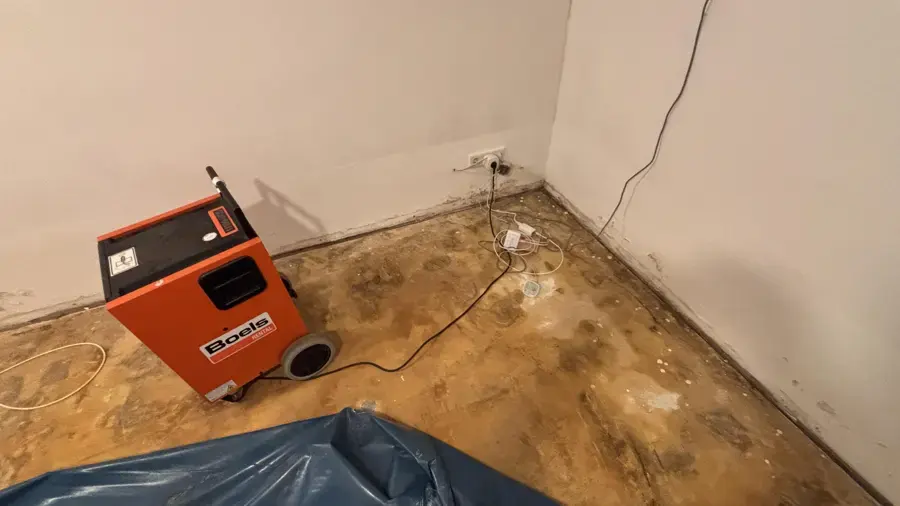
Once a polybutylene leak has already caused water damage inside walls or attics, the work shifts to extraction and drying, which is where the earlier steps come in.
Replacement involves turning off the water, removing the old polybutylene, and installing new copper, PEX (cross-linked polyethylene) or another approved supply line material. In a home with extensive polybutylene, a full system replacement can be a multi-thousand-dollar job.
In a home with just a few vulnerable runs, targeted replacement of the high-risk sections (water heater inlet, main shutoff) is a lower-cost option.
If a polybutylene leak causes hidden water damage, insurance coverage depends on the policy and when the damage is discovered. Most homeowners policies cover sudden, accidental water loss and exclude damage from lack of maintenance or known defects.
Documenting the age of the polybutylene and the date of discovery is important for any claim. Neighboring Fort Worth homes face the same question, and the Fort Worth burst pipe service covers the cleanup after a supply line failure.
The urgency depends on the home's build year and the pipe's condition
A home built in 1980 with original polybutylene has had about 46 years of chlorine exposure, and one built in 1995 about three decades. Both are at elevated risk, and the older installation has had longer to degrade.
If a home inspection or a plumber finds signs of degradation, such as surface whitening, visible cracks, past leaks or wet spots nearby, replacement is urgent.
A pinhole leak can turn into a major water loss at any moment, especially if the home is vacant or under renovation.
If the polybutylene appears intact but old, a phased replacement plan, starting with the most vulnerable locations such as the water heater inlet and main shutoff, is reasonable.
Questions
How long does polybutylene last before it fails?
Polybutylene degrades gradually when exposed to chlorine, and there is no fixed failure date. Some systems leak early and others go for many years before serious leaks develop. The timeline depends on water chlorine levels, temperature and the stress at each fitting.
Is polybutylene pipe still used in new homes?
No. Installation ended in the late 1990s because of the failure history. Modern homes use copper, PEX, or CPVC.
Can a polybutylene leak be fixed without replacing the whole system?
Yes, if the leak is at a specific fitting or a short section of pipe. A plumber can cut out the damaged section and splice in new copper or PEX. If multiple leaks appear in different locations, it is often more cost-effective to replace the entire run or the entire system.
If my home was built in 1990 with polybutylene, do I need to replace it?
A home inspector or plumber can assess the condition. If the polybutylene is intact and shows no signs of degradation, it may be monitored. If visible damage or leaks are found, replacement is recommended to prevent hidden water damage.