Water Main Break in Richland Hills: What the City Repairs and What Floods the House
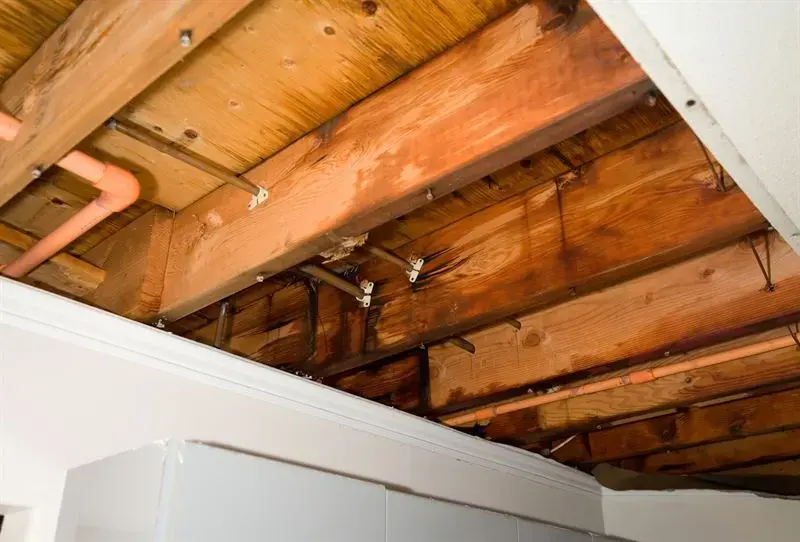
Richland Hills runs the city's water mains and over 3,000 meters under its streets and yards.
Key takeaways
- The City of Richland Hills operates the city's water mains and over 3,000 meters. The city states that most main-break repairs take about 4 to 5 hours, depending on damage.
- Water from a main break that runs across a street or yard picks up soil and debris, so the water category is judged on what it touched and how long it sat. It is often treated as Category 2 or 3.
- Richland Hills tells residents to keep water meters accessible, because a blocked meter during an emergency can mean worse damage to a home.
- The first step for a homeowner is to shut off the house water at the meter or main, move dry belongings up and out, stay out of wet rooms, and call Public Works and an extraction crew.
- Pressure loss events can come with boil water notices. In February 2021, Winter Storm Uri put the entire city under one.
How Richland Hills runs and watches its water system
When a main breaks, pressure can drop suddenly, water can wash across a yard, and a house can end up with wet floors even though the failure was in the street. The city's Public Works crew handles the main and its repair.
A homeowner's job is different. It starts with the shutoff, moves through standing water, and ends with a call for extraction before wet materials start to support biological growth.
The City of Richland Hills runs its own water system through the Water Maintenance Division inside Public Works. The division manages the city's water mains and over 3,000 meters, and it monitors the system around the clock with SCADA, a remote monitoring system that flags pressure and equipment problems.
The city buys most of its water from the City of Fort Worth and supplements it from five city-owned wells. Wastewater is treated through the City of Fort Worth and the Trinity River Authority.
For a homeowner in Richland Hills, the practical point is that the city owns the system in the street, and the owner's problems begin on the house side of the meter.
What happens when a main breaks near a house
A main break usually sends water up through the street pavement, across a yard, or both.
If the break is near a house and is large, water can run toward the foundation and find the lowest way in: a garage door threshold, a door frame that sits lower than the surrounding grade, or a crack at the edge of the floor.
Pressure also changes. When a main breaks, pressure in nearby lines can drop, and when the city restores service, it can return in a surge.
A weak fitting or an old supply line inside a house can fail at that moment, so a house can have an interior leak that traces back to a main break outside.
The water meter and why access matters
The water meter sits where the city's system meets the house service line, and it is the shutoff point a homeowner can usually reach quickly. When a main breaks, the meter is also the tool the city uses to see what is happening on each service.
Richland Hills tells residents to keep meters accessible, because a blocked meter during an emergency can mean worse damage to a home.
If the meter box is hidden by landscaping, dirt or a parked car, the house shutoff takes longer to find, water runs longer, and the homeowner has less control. A clear path to the meter box matters on the day of a break.
How a main break becomes water damage inside the house
Water reaches the inside of a house from a main break in two main ways: it flows in from the yard or street at a low point, or a supply line inside the house fails when pressure drops and then surges back.
In the first case, the water spreads across flooring and wicks into carpet pad, baseboards and the bottom of the drywall. If the house is on a slab, it can also run under walls toward the lowest edge.
The water category depends on what the water touched.
Clean supply water is Category 1 at the source, but water that has run across a street, gutter or yard picks up soil, debris and bacteria, and the longer it sits in the house the further it degrades.
IICRC practice treats water by what it contacted, and storm drain or sewage contact makes it Category 3.
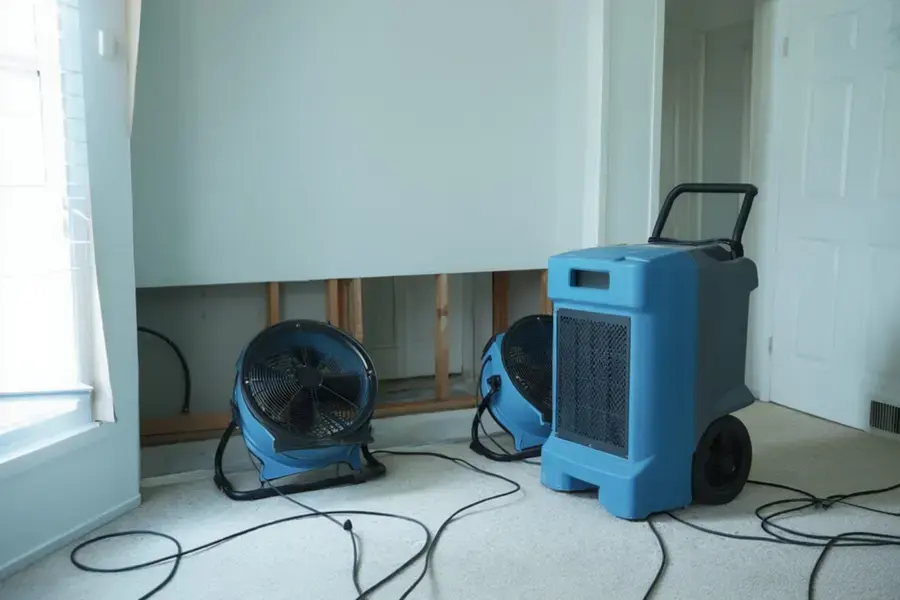
That classification decides what the mitigation team does: remove affected carpet, pad and baseboards, open walls above the wet line, apply an antimicrobial where needed, and dry everything with air movers and dehumidifiers until moisture readings reach the drying goal.
First steps for a homeowner during and after a main break
A homeowner whose house is taking water during a main break should first shut off the water at the meter or the main shutoff valve rather than at individual fixtures. Once the house side is off, water already in the lines drains down and stops feeding any interior leak.
Next, move dry belongings out of the wet rooms and up to higher shelves or another floor if possible. Stay out of standing water if any outlet, cord or appliance could be wet.
Photograph the high-water line inside and out before anything is moved, and note the time.
Then report the break to Public Works. The city takes leak and main-break reports during business hours and has a separate after-hours line, and its offices keep Monday to Thursday hours.
The city states that most repairs take about 4 to 5 hours depending on damage. After that, call a water extraction crew.
Water is often inside before a break is even found, and the first 24 to 48 hours are critical for stopping biological growth in wet materials.
Who to call and what to expect
Public Works is the point of contact for the main break itself. Staff can tell a caller whether the break is in the city's system or on the private side of the meter.
If it is on the city side, the city handles the repair.
If it is on the homeowner's side, the owner hires a plumber, and the city requires permits for plumbing work, so a plumber repairing a house-side line works through the city's permit process.
For the water damage inside, the extraction crew's first job is to get standing water out before it spreads further into walls and flooring.
After extraction, structural drying and cleanup follow IICRC practice: removing materials that cannot be saved, treating surfaces and drying under controlled conditions until the moisture goal is met.
If the main break set off an interior supply line failure, the burst pipe water damage service for Richland Hills covers that part of the job.
Pressure loss, boil notices and the February 2021 freeze
When pressure drops in a water system, the concern is not only flooding but also water quality, which is why cities sometimes issue boil water notices after major pressure loss.
In February 2021, during Winter Storm Uri, the entire City of Richland Hills was placed under a boil water notice because rolling power outages left the city unable to treat and move water. The city also asked residents to limit their water use.
That week showed how a system problem and a house problem can overlap. Burst pipes and low-pressure events were widespread across the region, and homeowners who were dealing with a boil notice were also dealing with interior leaks.
The same first steps apply in either case: find the shutoff, stop the flow, document the damage and get wet materials dried quickly.
Renters make up about 37 percent of Richland Hills households, so some of these calls go through a landlord or property manager first. Photographs and a clear time line help in either case, because they show when the water entered and what it touched.
Questions
Who repairs the water main under the street?
The City of Richland Hills Public Works runs the water system, including the mains. Public Works takes leak and main-break reports, with a separate after-hours line outside business hours. If the break turns out to be on the private side of the meter, the homeowner hires a plumber.
How long does a main repair usually take?
The city states that most main-break repairs take about 4 to 5 hours, depending on damage. The actual time depends on the size of the break and how hard it is to reach.
Why does the city ask residents to keep the water meter accessible?
A blocked meter during an emergency can mean worse damage to a home. If the meter box is buried or hidden, the house shutoff takes longer to find and water runs longer.
Who is responsible for my water-damaged carpet and walls?
Damage inside the house is generally handled through the homeowner's own insurance policy or the landlord's, and coverage varies. Some policies cover sudden water losses and exclude others, so it is worth checking with an insurance agent about coverage.
How is the water from a main break classified?
Clean supply water is Category 1 at the source, but water that runs across a street or yard and sits in a house picks up contamination. The category is judged by what the water touched and how long it sat, and storm drain or sewage contact makes it Category 3, which means carpet, pad and baseboards are removed and walls are opened for treatment and drying.