Who Pays When Sewage Backs Up in Haltom City: The Owner's Line Versus the City Main
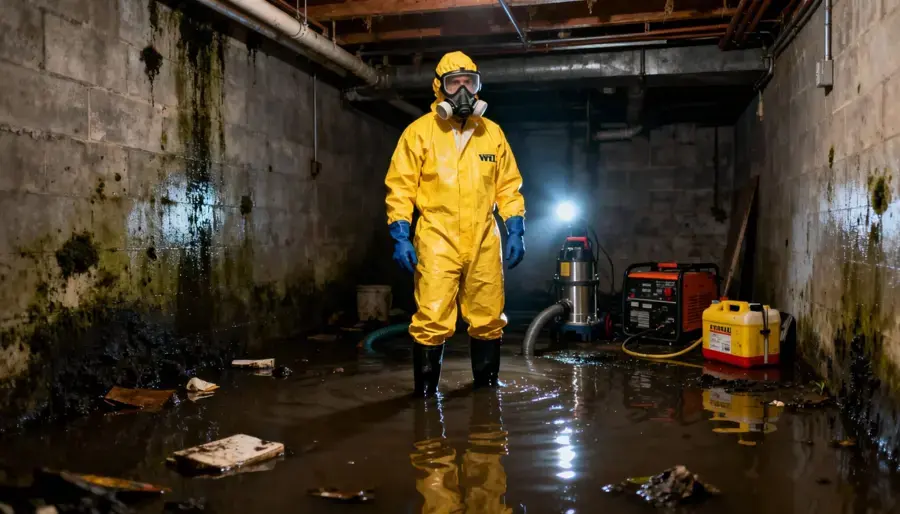
A toilet that will not flush or a drain that backs up into a Haltom City home is a plumbing emergency, and the first question is always the same: whose job is it to fix, and who pays?
Key takeaways
- Under Haltom City Code Section 98-91, the property owner owns the house sewer from the structure to the connection at the public main, and the city maintains the main.
- When a stoppage occurs, the city first cleans the main at no charge. If the main is clear, the owner hires a plumber to fix the lateral or any part of the house drain.
- The city pays for a lateral failure under pavement only if a TV camera inspection witnessed by a city sewer employee confirms the damage and normal cleaning cannot clear the blockage.
- Tree roots and grease are the two causes the city names for lateral blockages.
- Homes from the 1950s and 1960s often have cast iron or clay drain lines under the slab, a general North Texas pattern that raises the risk of root intrusion and deterioration.
Who owns the sewer lateral in Haltom City
City Code Section 98-91 gives a clear answer. The property owner owns the house sewer from the structure to the public main, and the city maintains the main.
Most of the time, that means the owner hires a plumber.
But there is a narrow case where the city covers the cost, and the cleanup of the damaged rooms follows either way.
Haltom City Code Section 98-91 makes the ownership split simple. The property owner owns the house sewer from the structure to the connection at the public main, and the city maintains the main.
In practice, that dividing line is where the private lateral meets the city's line in the street.
The split matters because it decides who pays when something goes wrong. A backup does not stop at that ownership line, and sewage can be inside a Haltom City home before anyone knows which side has the blockage.
That is why the first step is always to find out whether the problem is in the house lateral or in the main.
The free main cleaning and when it stops
When a stoppage is reported, the city's sewer division first cleans the main at no charge. The division cleans more than half a million feet of sanitary sewer main each year and takes emergency calls 24 hours a day.
If cleaning the main clears the backup, the problem is solved.
If the main is clear, the blockage or damage is somewhere in the owner's lateral or the house drains. At that point the owner's responsibility begins, and the owner hires a plumber to diagnose and fix the problem.
That plumber may find roots in the lateral, a collapsed section of pipe, grease buildup, or a break where the lateral runs under the foundation slab.
The narrow case where the city pays for a lateral break
Haltom City's policy includes one exception. The city pays to repair a lateral failure only under specific conditions: the failure is under pavement, a TV camera inspection confirms it, the inspection is witnessed by a city sewer employee, and normal cleaning cannot clear the blockage.
When all of those conditions are met, the city covers the lateral repair.
The exception is strictly limited. If the lateral problem is on private property, the owner is responsible.
If the cause is grease, roots or a simple clog that cleaning can clear, it is a plumber's job, not a city repair.
Tree roots and grease: the two most common culprits
The city names tree roots and grease as the stated causes of lateral blockages. Tree roots grow toward moisture and can work their way into clay and cast iron pipes once a joint or crack opens.
Grease that cools and solidifies inside the lateral can build up over years into a complete blockage.
Older homes in Haltom City are the likeliest candidates. In ZIP 76117, the main Haltom City ZIP, about 25 percent of homes were built from 1950 to 1959 and about 21 percent from 1960 to 1969.
Drain lines of that era were commonly cast iron or clay under the slab, a general North Texas pattern rather than a Haltom City record. Clay lines are brittle and can crack, and cast iron corrodes and eventually leaks.
Once roots are inside a failing line, they trap grease and debris and make the blockage worse.
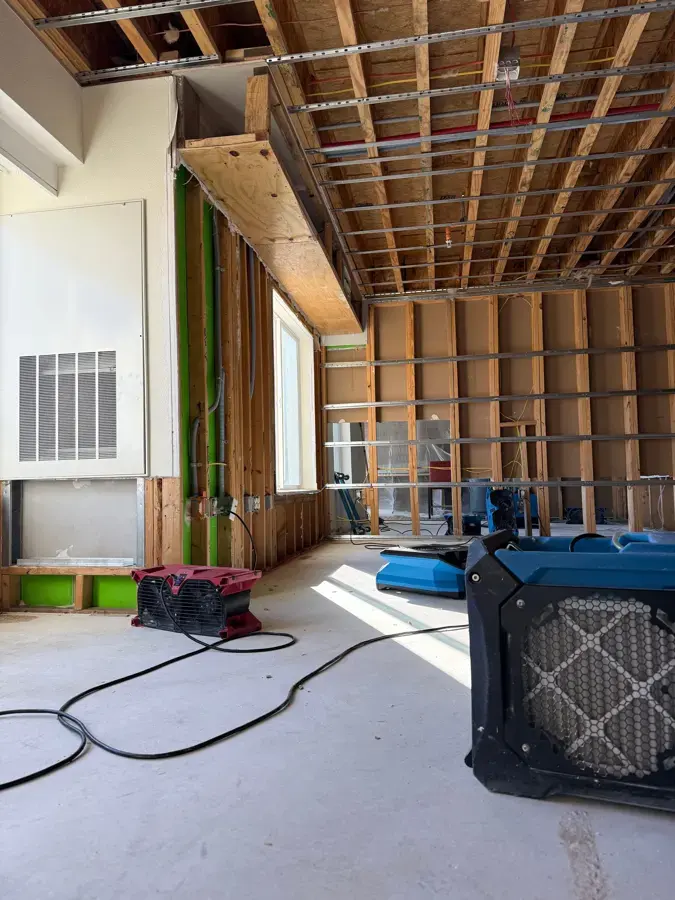
Why older Haltom City homes carry higher sewer risk
The homes most likely to have sewer trouble are the ones built in the 1950s and 1960s. Haltom City was incorporated in 1949, and much of its housing grew from that postwar era through the 1970s.
The median year built across the city is 1977, so about half of Haltom City homes are roughly 50 years old or older.
Cast iron and clay were standard drain materials in the 1950s and 1960s, and they are now among the oldest piping in the city.
Expansive clay soil swells when wet and shrinks in drought, and foundation reports describe 1950s to 1970s slab homes here as prone to movement. A cracked slab can break a drain or supply line under it.
Aging pipe of either material can be the start of a toilet overflow or a sewage backup that ruins carpet and walls.
Addressing a backup in an older home: first steps
When sewage backs up or a toilet will not drain in an older Haltom City home, the owner's first call is often to arrange a camera inspection of the lateral.
A plumber can feed a small camera down the drain line, see what is blocking it or damaging the pipe, and estimate the cost to fix it.
If the plumber suspects the problem is in the city main, the owner can contact the Public Works sewer division and ask for the main to be cleaned at no charge.
If the main is clear, the plumber may recommend clearing roots and grease with a mechanical rooter, or replacing the lateral if the pipe is broken or too deteriorated to repair.
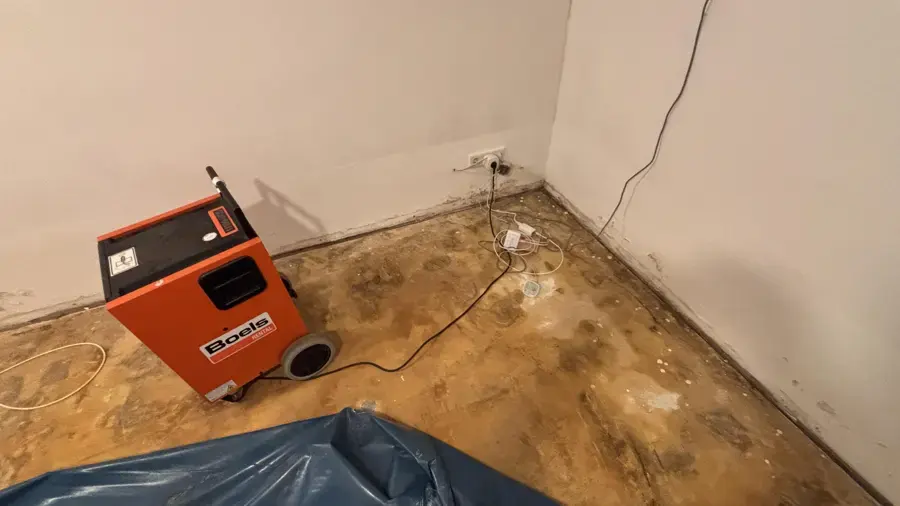
For a lateral that runs under the foundation slab, replacement is more involved and costly. Once the drain is flowing again, sewage backup cleanup covers the contamination and moisture work: removing affected materials, treating the structure and drying it.
Future capacity: the Big Fossil Creek sewer project
Fort Worth's Sanitary Sewer Overflow Initiative is addressing sewer capacity in the Haltom City area.
The $19 million Big Fossil Creek Parallel Sewer Collector Main (Phase IVA) is in design and runs from North Park at I-820 in Haltom City to Richland Plaza Drive in North Richland Hills, near East Belknap and SH 183. Target completion is November 2028.
The project adds capacity to the sewer system in this area, which matters during the spring storm season when heavy rain loads sewer lines.
Questions
What should I do when I notice signs of a sewer backup?
First, find out whether the problem is in the city main by contacting the Public Works sewer division to request a free cleaning of the main. If the main is clear, contact a plumber to inspect the lateral with a camera and identify the blockage or damage.
Do I have to hire a plumber even if the city cleans the main?
Only if the main is clear and the blockage is in the owner's lateral. If the city's cleaning solves the problem, no plumber is needed. If it does not, the blockage is the owner's responsibility, and a plumber can diagnose and fix it.
Can the city make me replace my old clay or cast iron sewer line?
Replacement is a decision for the owner and a plumber, based on what a camera inspection shows. Homeowners facing frequent backups often choose to replace aging laterals to prevent repeat problems.
What happens if sewage backs up into my home?
Sewage is a health hazard and calls for professional cleanup. The contaminated materials, such as carpet, drywall and insulation, are removed and the structure is treated with an EPA-registered antimicrobial before drying begins. The cleanup process follows IICRC practice for Category 3 water.
Is backflow prevention required in Haltom City?
City Code Section 98-406 requires backflow prevention assemblies, and Section 98-421 requires tester registration. A plumber can say whether a particular home or service connection needs a backflow preventer.