Water Heater Leaking in Bedford: Permit Rules for Replacement and Cleanup of the Floor
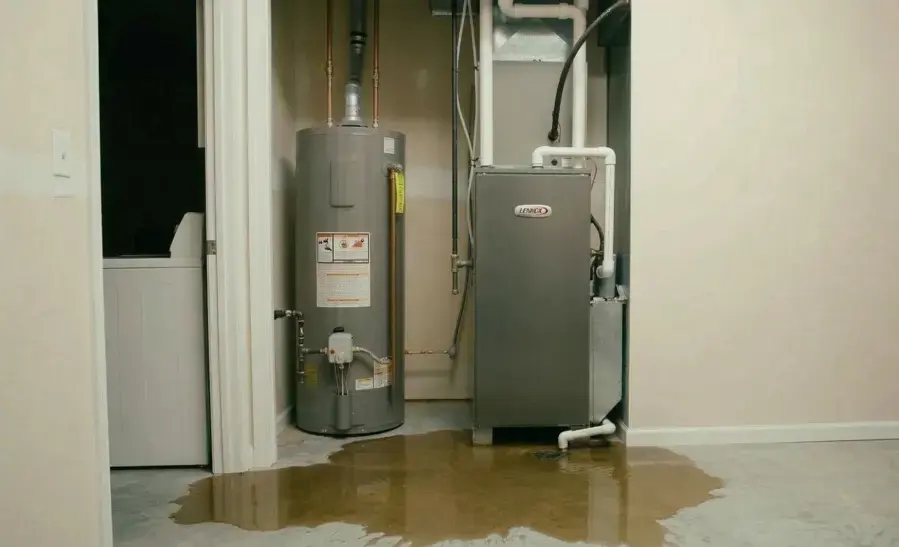
A water heater sitting in a garage or hall closet in a 1980s Bedford home can fail suddenly, pooling water on carpet or a slab floor and soaking baseboards and walls.
Key takeaways
- Bedford requires a permit for water heater installation. A homeowner can do the work themselves or hire a plumber registered with the city. The permit goes through the city's Building Permits and Inspections office.
- Many water heaters in Bedford homes built in the 1970s and 1980s sit in garages or closets on or near carpet and slab. A failed tank can release most of its water onto the floor in minutes, wicking into carpet pad and baseboards.
- The order of work matters: first extract the standing water, remove the wet pad, open walls to let them dry, check the slab for hidden moisture, and only then install the new heater. A replacement heater in a wet space is at risk of early failure.
- Pad touched by water heater discharge is usually removed, and the carpet is dried or removed depending on the water category and how long it stayed wet. Whether carpet is replaced or the floor is left bare depends on where the leak was and what the homeowner chooses.
- Bedford's median year built is 1983, which puts many homes in the 40-plus year range, where original plumbing and aging water heaters both deserve attention.
Why the permit matters: Bedford's water heater replacement rule
Bedford requires a permit before a replacement heater is installed, whether the work is done by the homeowner or by a plumber registered with the city. But first comes the cleanup of the floor, the dried materials and the damaged carpet.
Waiting for the water damage to be addressed before the new unit is installed stops hidden moisture from starting the damage cycle over again.
The City of Bedford requires a permit before a water heater is installed, a point that matters to any homeowner using the Bedford service page after a leak. This rule applies whether the homeowner is replacing a failed unit or installing a new tank.
The permit process ensures the new unit is vented correctly, the drain is properly sloped and connected, the relief valve is in place, and the supply and drain lines are fitted correctly and tested.
A homeowner can do the work themselves if they are comfortable with the connections, or they can hire a plumber registered with the city. The permit goes through the Building Permits and Inspections office, so the paperwork should be sorted out before the new tank is set.
Where water heaters fail in Bedford homes
In most Bedford houses built in the 1970s and 1980s, the water heater sits in a garage or a hall closet near the utility area. These spaces are often on the slab, sometimes with a vinyl floor or thin carpet covering it.
When a heater tank fails, it does not usually fail quietly. A split seam or a rusted-through bottom can release a tank's worth of water in a few minutes, pooling across the floor and soaking into any carpet or pad that is nearby.
The water is clean tap water at that moment. It stays Category 1, fresh water, only as long as it sits in the tank.
Once it is on the floor, it begins to pick up dust, fibers and bacteria from the carpet and pad.
Any moisture that does not dry within 24 to 48 hours begins to support biological growth. This is why a failed heater is not just a plumbing problem; it is a water damage problem first.
The slab, the carpet and the damage line
Water heater leaks in garages and closets soak into carpet pad if any is there, and they spread across a slab to find the low edge where baseboards sit. On older slab-on-grade homes, cracks and uneven spots can channel water outward from the leak point, into the garage or down a hallway.
The way to prevent biological growth is to remove the pad and let the slab dry to a moisture reading that meets the drying goal. A new heater sitting on a wet slab or near wet carpet is a setup for failure.
The water heater replacement should wait until the floor is addressed.
The way to prevent biological growth is to remove the pad and let the slab dry to a moisture reading that meets the drying goal. A new heater sitting on a wet slab or near wet carpet is a setup for failure.
The steps after a water heater leak: extraction first, replacement last
After a water heater has leaked, the first call should be to a water extraction crew. Their job is to get the standing water out and the moisture measurements started.
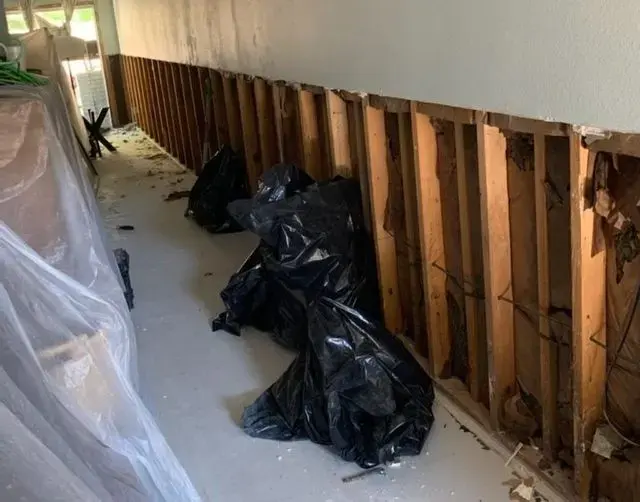
They will remove the carpet and pad, check drywall and baseboards with a moisture meter, and open any walls that are reading high. They may also check the slab with a moisture probe or an infrared camera to track hidden water.
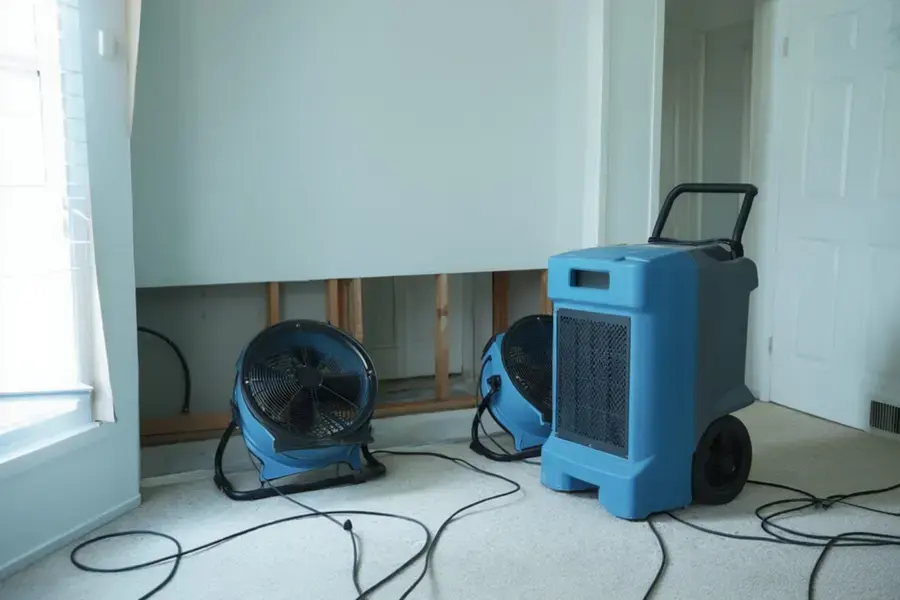
Once extraction and initial drying are underway, it is time to think about the heater replacement. But first, the space needs to dry to the goals set by the drying crew, with wood framing and the slab back near their normal dry readings.
The water heater leak cleanup page explains that drying sequence after a tank failure. Only when those readings are met is it wise to install a new heater.
A new unit in a wet space is at risk of early failure and can cause biological growth in still-damp materials.
Carpet decisions after a water heater leak
Pad touched by water heater discharge is usually removed, because it is porous and holds moisture even when it feels dry to the touch. Carpet is dried or removed depending on the water category and how long it stayed wet.
Once the pad is out, the homeowner has a choice: pull new carpet after the slab is dry and the restoration crew signs off, or leave the floor bare.
Many homes choose to leave the garage floor bare or to paint the slab. A hall closet or utility room where the heater sits may get a small patch of vinyl or tile instead of carpet.
A new heater replacement already costs time and money, and deciding on carpet can wait until after drying is complete and moisture measurements confirm the floor is ready.
Why older homes in Bedford see more heater failures
Bedford's median year built is 1983. That means the typical home is now about 40 years old, and a heater that was never replaced is well past the usual 10 to 15 year tank lifespan.
Older under-slab and in-wall supply lines are a typical risk in homes of this age. A slow supply leak can go unnoticed for weeks, but a fast leak, like a failed heater tank or a burst hot-water supply line, hits the floor all at once.
That speed means extraction needs to start quickly, before the wet materials begin to support growth.
Permits and inspections: what comes next
After the floor has dried and cleanup is complete, it is time to call for the permit and the replacement. The permit exists so the new heater is vented and drained correctly, with the relief valve installed and the supply lines tested.
Bedford Public Works is staffed 24 hours a day with on-call crews if a problem with the city side of the water supply is suspected.
Once the permitted work is done and signed off, the heater can serve for years, assuming the supply lines stay sound and the tank sits in a dry space.
Questions
Does Bedford require a permit for a water heater replacement?
Yes. The City of Bedford requires a permit for any water heater installation. A homeowner can do the work themselves or hire a plumber registered with the city. The permit goes through the Building Permits and Inspections office.
Can I install a new heater in a wet garage or closet?
Not safely. A new heater in a space that is still damp is at risk of early failure. The floor should dry to the target readings set during drying before a new unit is installed. That process takes several days or a few weeks depending on how wet the space was.
What happens to carpet and baseboards after a heater leak?
Pad is usually removed, and carpet is dried or removed depending on the water category and time. Baseboards are checked with a moisture meter, and those readings decide whether they can stay or need to be replaced during drying. Walls may be opened if moisture is tracked into the structure.
Can the water from a water heater cause biological growth?
Yes. Water heater discharge is clean at first, but it quickly picks up bacteria and dust from the carpet and slab. If it is not extracted and dried within 24 to 48 hours, organisms begin to grow in the wet materials. This is why a water heater leak needs immediate extraction.
Why do water heaters fail in older Bedford homes?
Many Bedford homes were built in the 1970s and 1980s, so a heater that was never replaced is well past a typical tank lifespan. Age and corrosion make failure more likely.